Practical · 4 min read
Kyrgyzstan Practical Tips: Money, Cards, SIM Cards, Transport and Safety
Updated: · Kyrgyzstan Outdoor
Kyrgyzstan's currency is the som (KGS). Cards and ATMs are common in Bishkek and Karakol, but cash is essential in the mountains and yurt camps; US dollars or euros are the easiest to exchange. Local SIM cards (Beeline, MegaCom, O!) are cheap and sold with your passport. Plugs are type C/F at 220 V. Kyrgyzstan is generally a safe country for travellers.
We wrote this to answer, in one place, the practical questions people ask most before a trip to Kyrgyzstan: money, cards, internet, plugs, transport and safety. They all sound minor, but they're usually the things that cause the most hassle on the road.
Money: the Kyrgyz som
Kyrgyzstan's currency is the som (KGS). The banknotes feature major figures from Kyrgyz history and culture. One som is 100 tyiyn, though you'll rarely see tyiyn.
Which currency should you bring? US dollars or euros are easiest. Bishkek has an exchange office on almost every corner, usually with better rates than the banks. Russian roubles and Kazakh tenge are also easy to change.
Watch the condition of your notes. Some exchange offices refuse torn, marked or very old dollar bills, or take them at a worse rate. Bring clean, recent notes.
Do cards work?
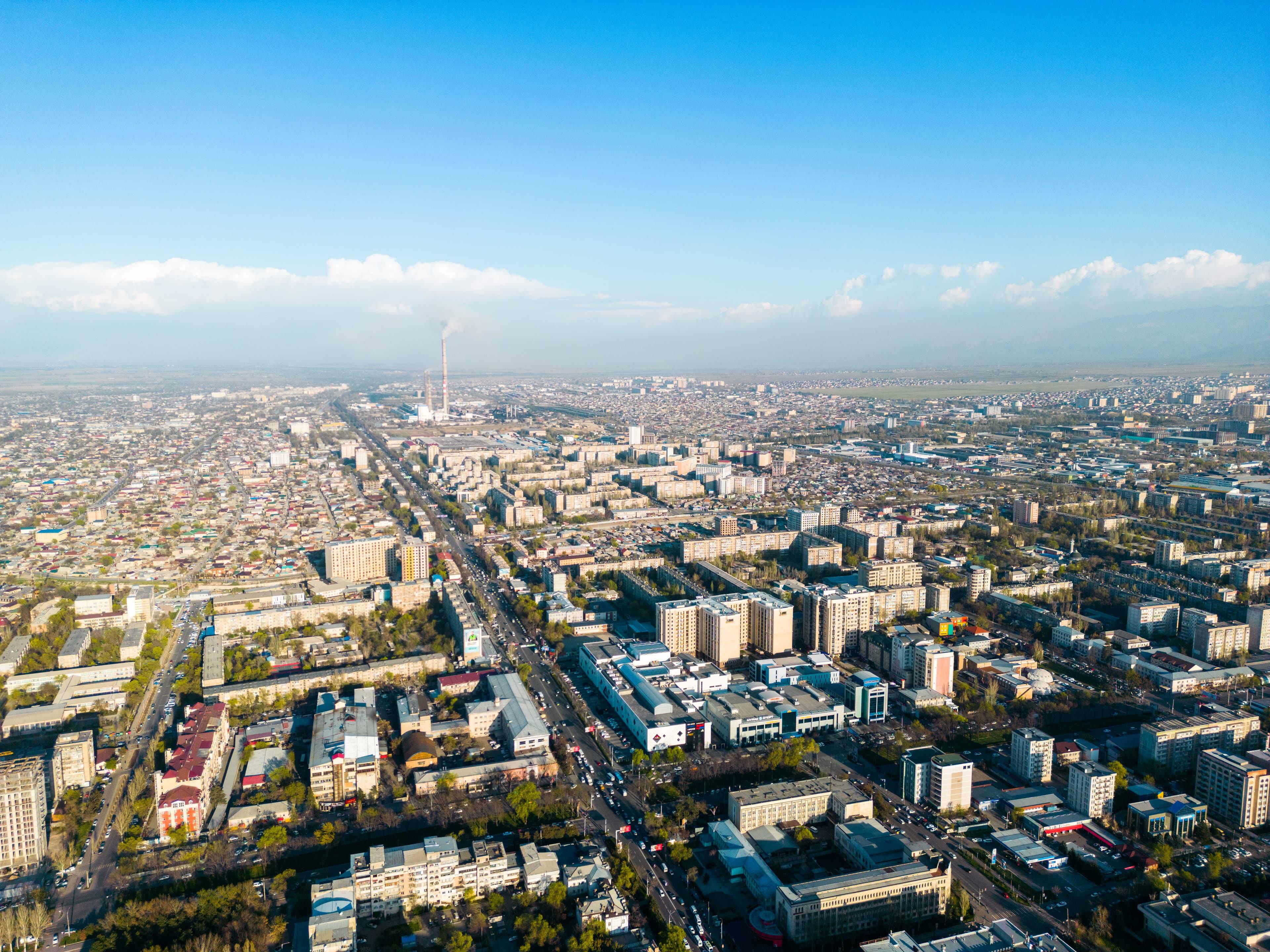
In Bishkek, Karakol and Cholpon-Ata, larger hotels, restaurants and supermarkets accept Visa and Mastercard, and ATMs are common, dispensing som directly.
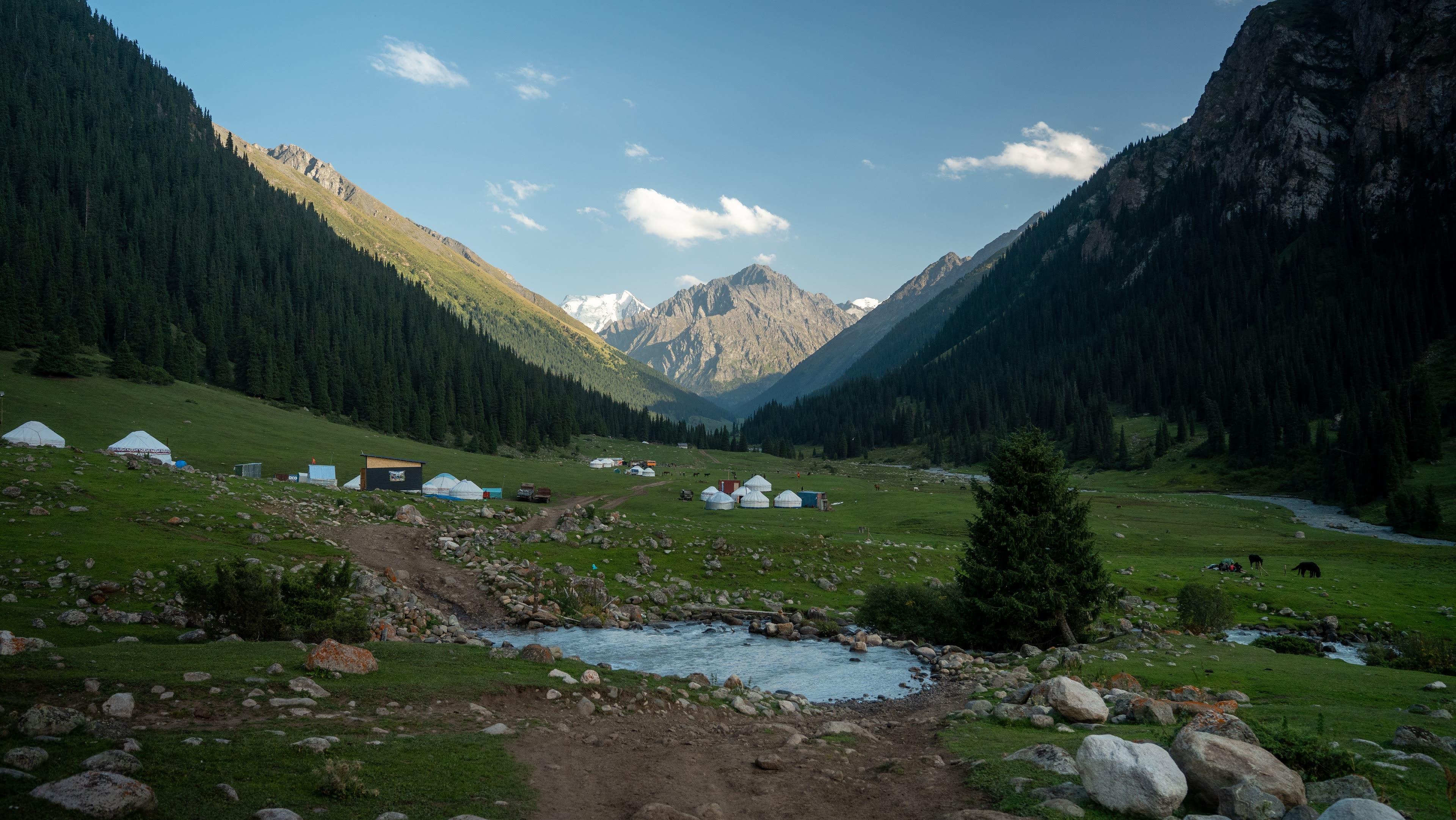
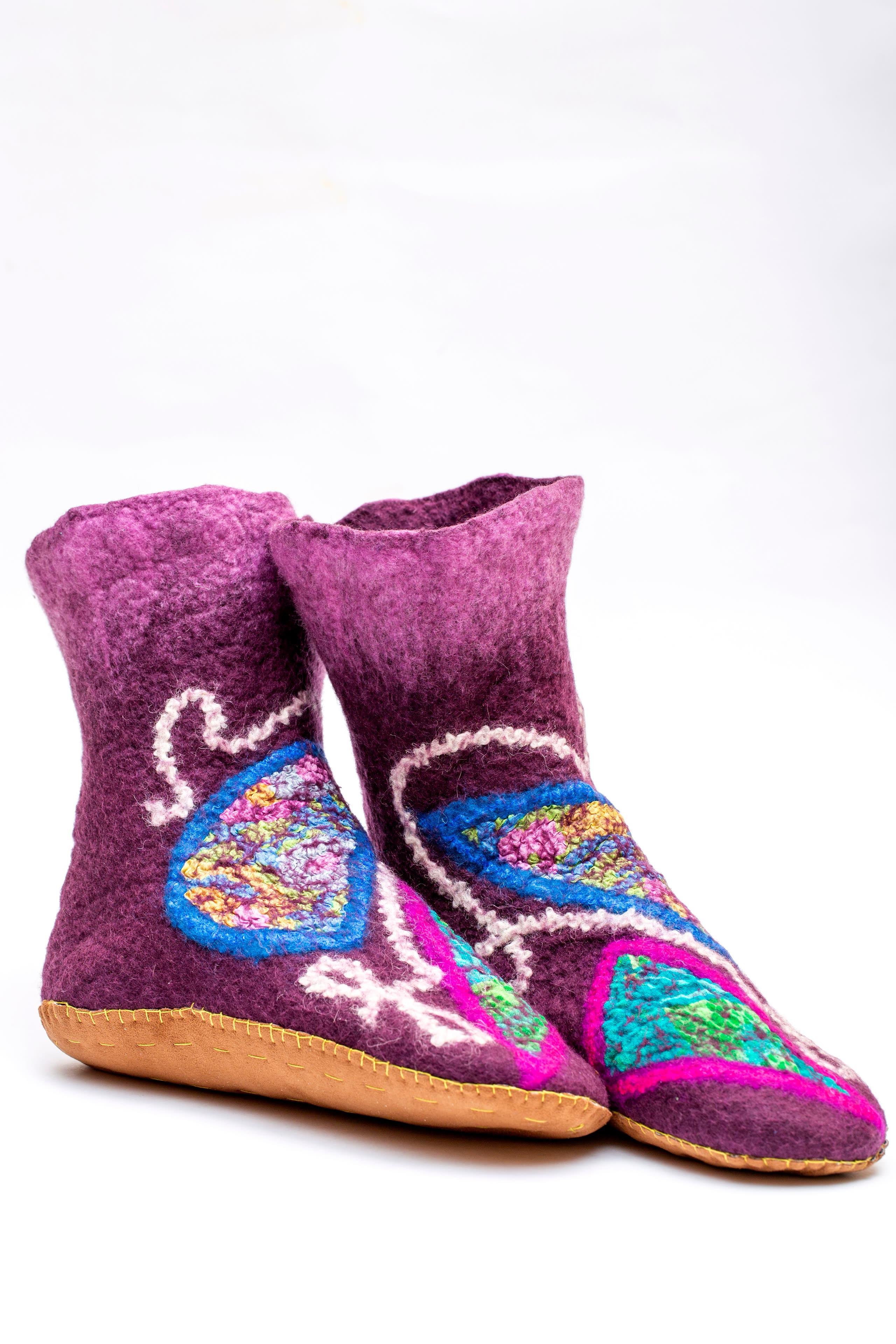
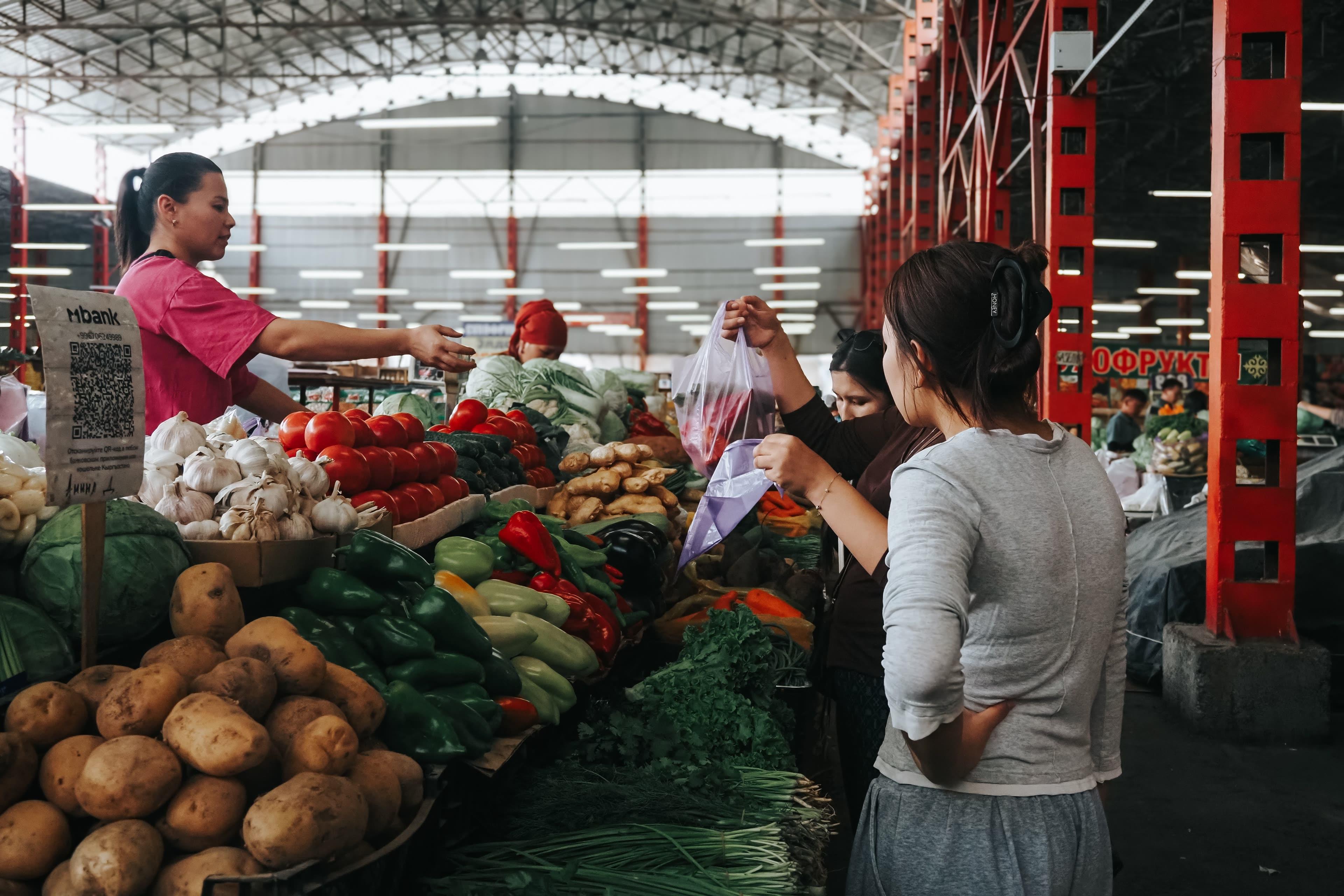
Leave the cities and that changes. On the pastures, in yurt camps, villages and markets, cash is the only option. If you want to buy kymyz from a herding family at Son-Kul or a felt carpet from an artisan in Kochkor, you'll need som. Withdraw enough in Bishkek or Karakol before you head into the mountains.
Check before you leave that your card works abroad and what your bank charges for foreign withdrawals; some cards carry hefty fees.
Internet and SIM cards
A local SIM card is cheap and easy. There are three main operators, Beeline, MegaCom and O!, and you can buy a SIM in a few minutes at the airport or an operator shop in town by showing your passport. Data packages are very affordable.
Coverage is good in cities and along main roads. In the mountains it's a different story: parts of Son-Kul, Kel-Suu and the high passes may have no signal at all. Be ready for a few days offline; honestly, it's one of the joys of Kyrgyzstan.
Some yurt camps have limited Wi-Fi, but don't count on it. Download offline maps and copies of important documents before you go.
Plugs and electricity
Kyrgyzstan uses 220 V with type C and F plugs, the standard European two-pin. Travellers from the UK, US or Australia will need an adapter.
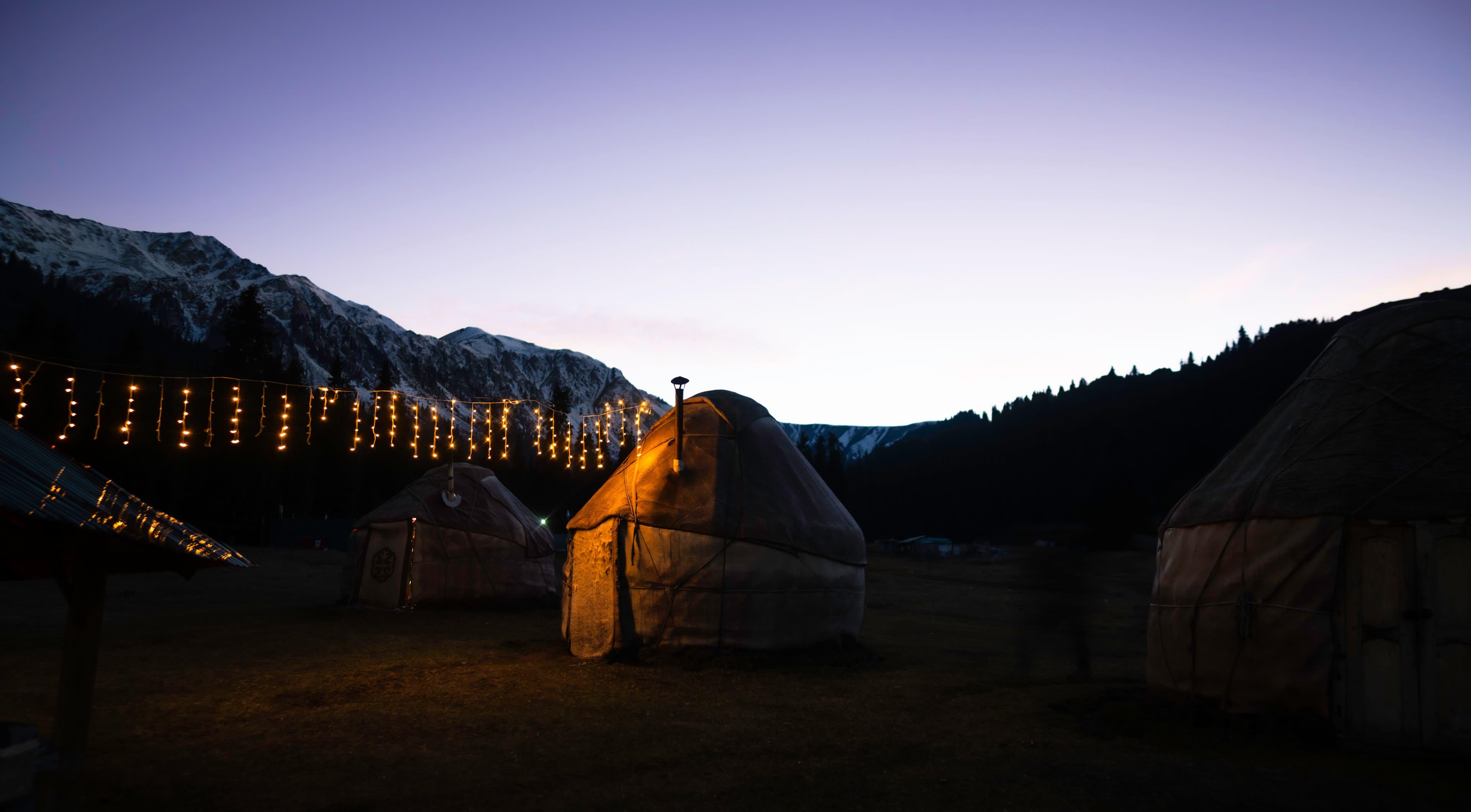
Electricity in yurt camps is limited. Most run on solar power and charging is restricted to a few hours in the evening. A power bank makes life much easier.
Getting around
Ride-hailing apps are the easiest option in Bishkek and Osh. With apps like Yandex Go the price is fixed up front, you don't need to explain addresses and fares are low.
Marshrutkas are minibuses that run within cities and between them. They're cheap but usually crowded, and routes are written only in Cyrillic.
For intercity journeys, shared taxis are common: cars that leave when full and charge per seat. You can get from Bishkek to Karakol or Naryn this way.
Domestic flights only really make sense between Bishkek and Osh, about an hour.
Renting a car is possible, but we don't recommend it. Mountain roads are demanding, some sections are unpaved, signs are mostly in Cyrillic and driving habits take some getting used to. A car with a driver is safer and lets you actually enjoy the scenery.
Is Kyrgyzstan safe?
Yes, Kyrgyzstan is generally a safe country for travellers. People are hospitable and serious crime against tourists is rare.
As anywhere, use common sense. Watch for pickpockets in crowded places like Osh Bazaar and on public transport. Late at night, use app-based taxis rather than flagging one down.
In the mountains, the real risks come from nature, not people. The weather can change within hours, rivers can swell suddenly with snowmelt and altitude affects everyone differently above 3,000 m. That's the main reason to travel with a local guide on high routes.
Don't enter border zones without a permit. Places like Kel-Suu and Khan Tengri need one in advance; we explain how in our visa and entry guide.
Health
Don't drink tap water; stick to bottled or boiled water. Bring your personal medication, stomach remedies, painkillers and a basic first-aid kit. If you're sensitive to altitude, talk to your doctor before you go.
Travel insurance isn't required for entry, but we strongly recommend it. If you'll ride or trek, make sure your policy covers it.
Language
Kyrgyz and Russian are official languages. Russian is widespread in the cities and more and more young people speak English. Learning a few Kyrgyz words opens every door: try our basic Kyrgyz phrases.
Tipping
Restaurants sometimes add a service charge; if not, leaving about ten percent is appreciated. At the end of a tour, tipping your guide, driver and horseman is a common way to say thank you.
Time zone
Kyrgyzstan is on UTC+6 and doesn't use daylight saving time.
Frequently asked questions
What currency is used in Kyrgyzstan?
The Kyrgyz som (KGS). US dollars and euros are easy to exchange.
Can I use credit cards in Kyrgyzstan?
Yes in cities, where Visa and Mastercard are widely accepted and ATMs are common. In the mountains, villages and yurt camps you need cash.
Is Kyrgyzstan safe for tourists?
Yes, Kyrgyzstan is generally safe. Watch for pickpockets in markets and travel with a local guide on high mountain routes.