Trekking, camping & activities · 3 min read
Staying in a Yurt in Kyrgyzstan: What a Night Is Really Like
Updated: · Kyrgyzstan Outdoor
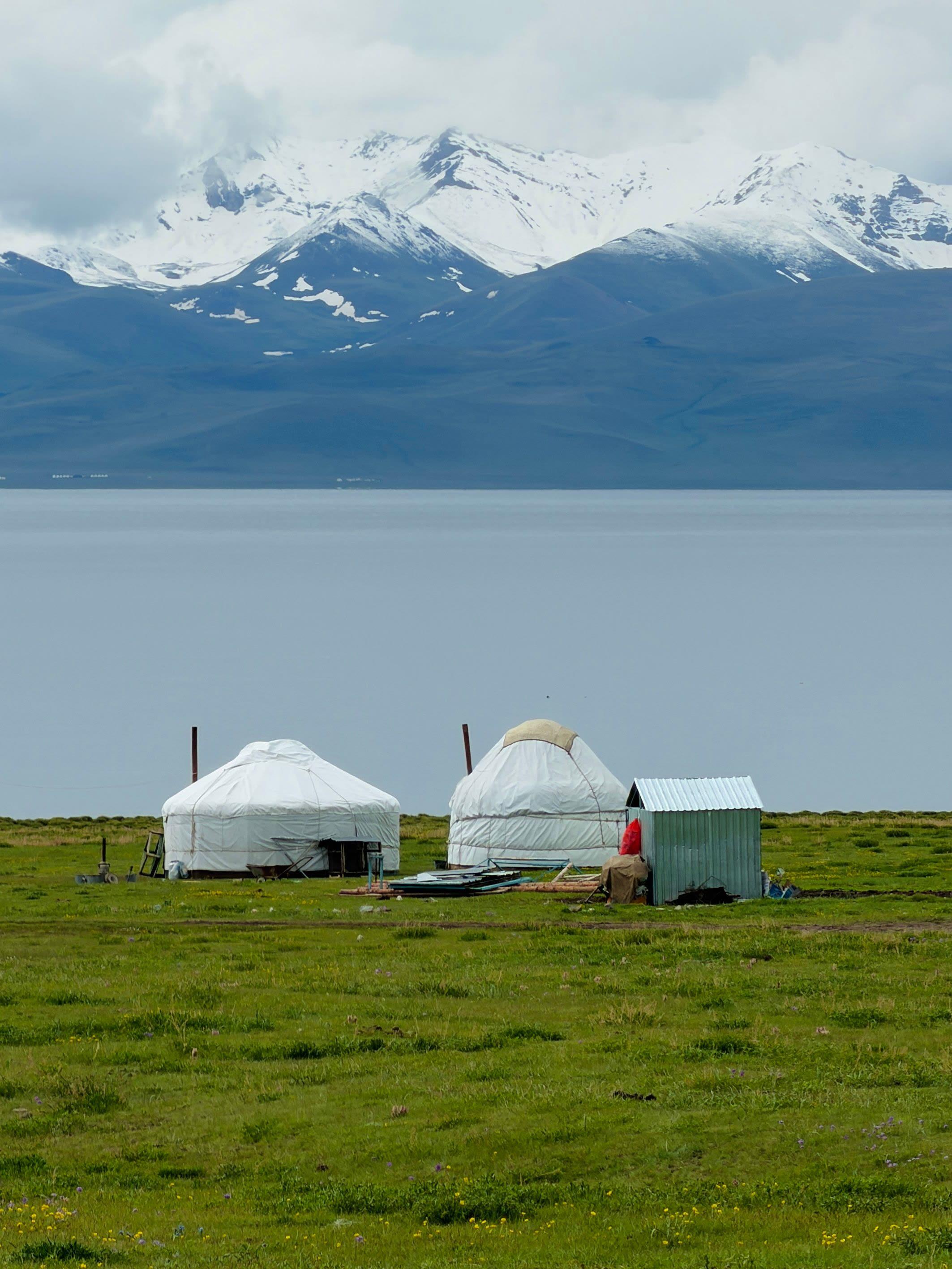
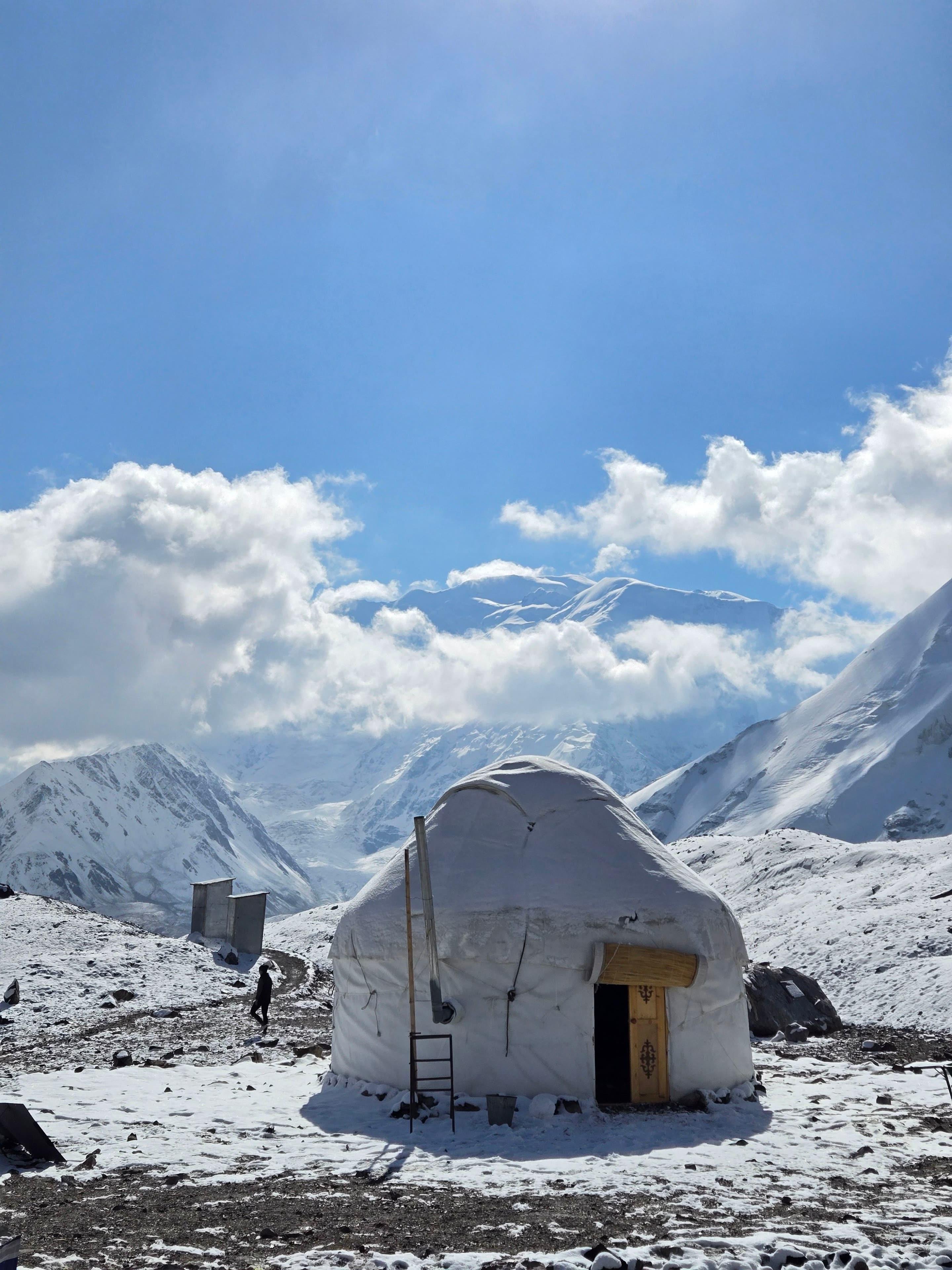
A yurt (boz uy in Kyrgyz) is the nomads' portable felt home. In summer you can stay in yurt camps at Son-Kul, on the way to Kel-Suu and around Issyk-Kul. You sleep on thick wool mattresses on the floor, a stove keeps you warm, toilets are usually outside and not every camp has a shower. Meals are cooked at the camp. High-pasture camps are open from June to September.
What is a yurt?
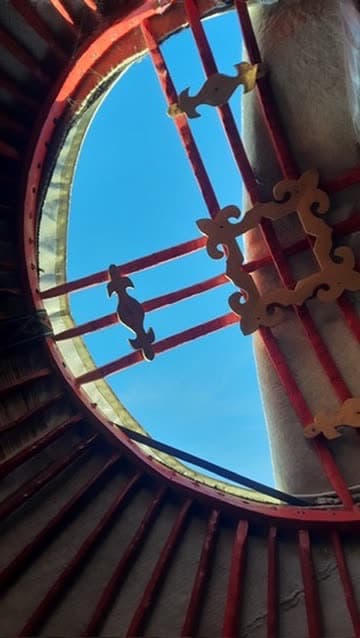
A yurt, or boz uy in Kyrgyz, is a nomad home of thick felt stretched over a wooden lattice wall (kerege), roof poles (uuk) and a crown ring at the top (tunduk). It goes up in a few hours and travels on a horse or truck to the summer pastures. The symbol in the middle of the Kyrgyz flag is that tunduk.
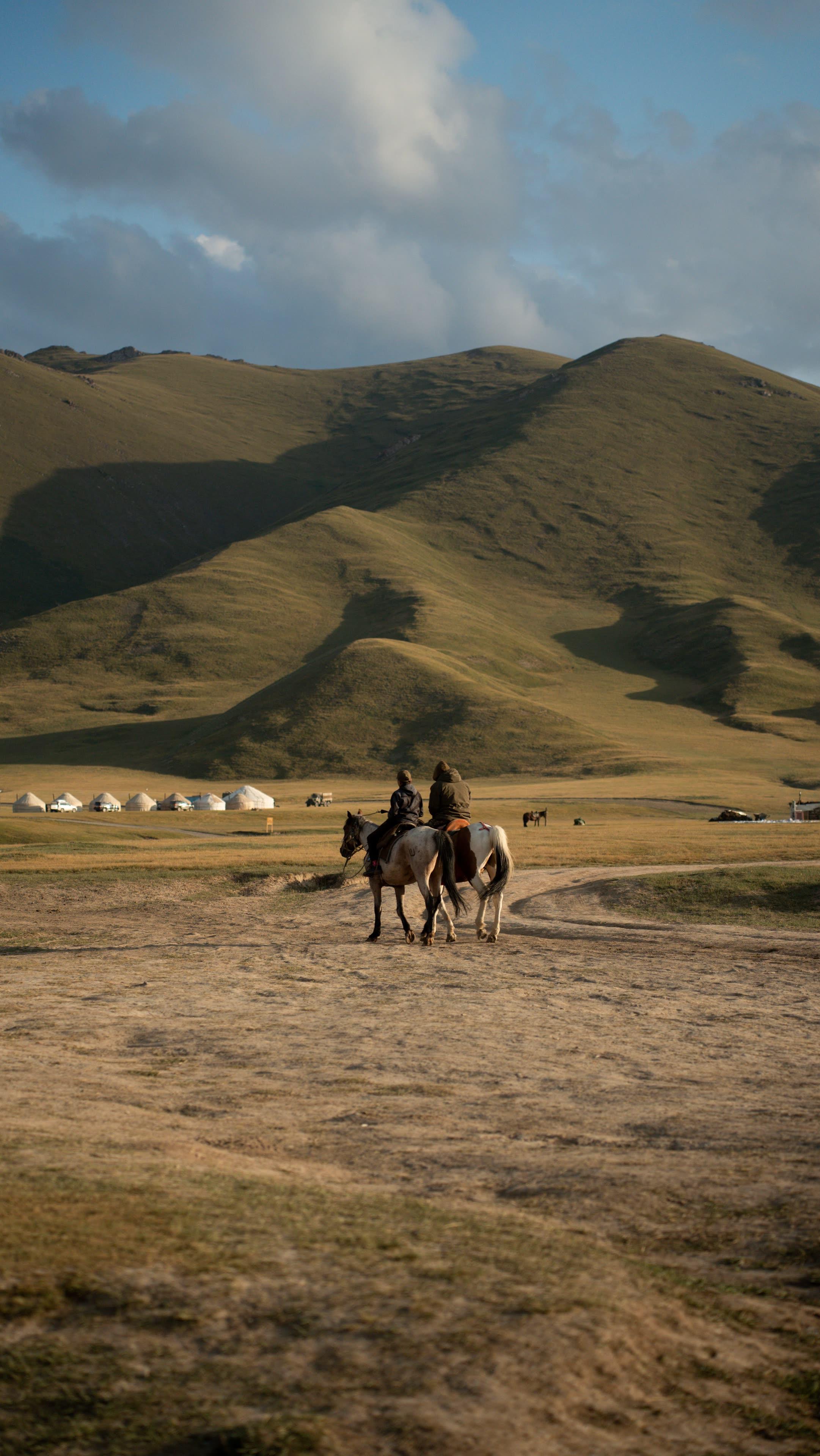
Herding families still live in yurts each summer, and next to them are yurt camps set up for guests. That's where you'll stay on a tour.
Inside
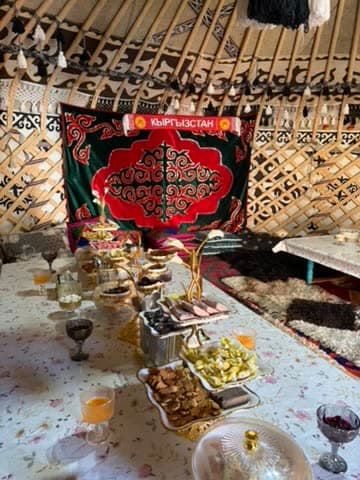
You stoop through a low door, then find a stove in the middle, colourful shyrdak felt rugs on the floor and embroidered hangings on the walls. Beds are thick wool mattresses (toshok) laid on the floor with heavy quilts. A yurt usually sleeps 2–6; couples and families can often have their own. It's hot while the stove burns, cooler after it dies down, but warm under the quilts. Your host relights the stove early in the morning.
Toilets, showers, electricity
The honest answers to the most-asked questions: toilets are usually a wooden outhouse a short walk away (bring a head torch); some camps have a simple shower or banya, some don't (wet wipes help); most run on solar power with a few hours of charging in the evening (bring a power bank); and on the high pastures there's usually no internet, which may be the best part.
Food
Breakfast is fresh bread, cream, jam and tea; dinner might be shorpo soup, plov or fresh meat. Tea never stops, and with luck there's fresh kymyz. More in our Kyrgyz food guide.
Etiquette
Take your shoes off at the door, step over the threshold rather than on it, and know that the place facing the door (tor) is the seat of honour. Bread is sacred: never put it on the ground or upside down. Accept at least a sip of the tea you're offered. More in our culture guide.
Where and when
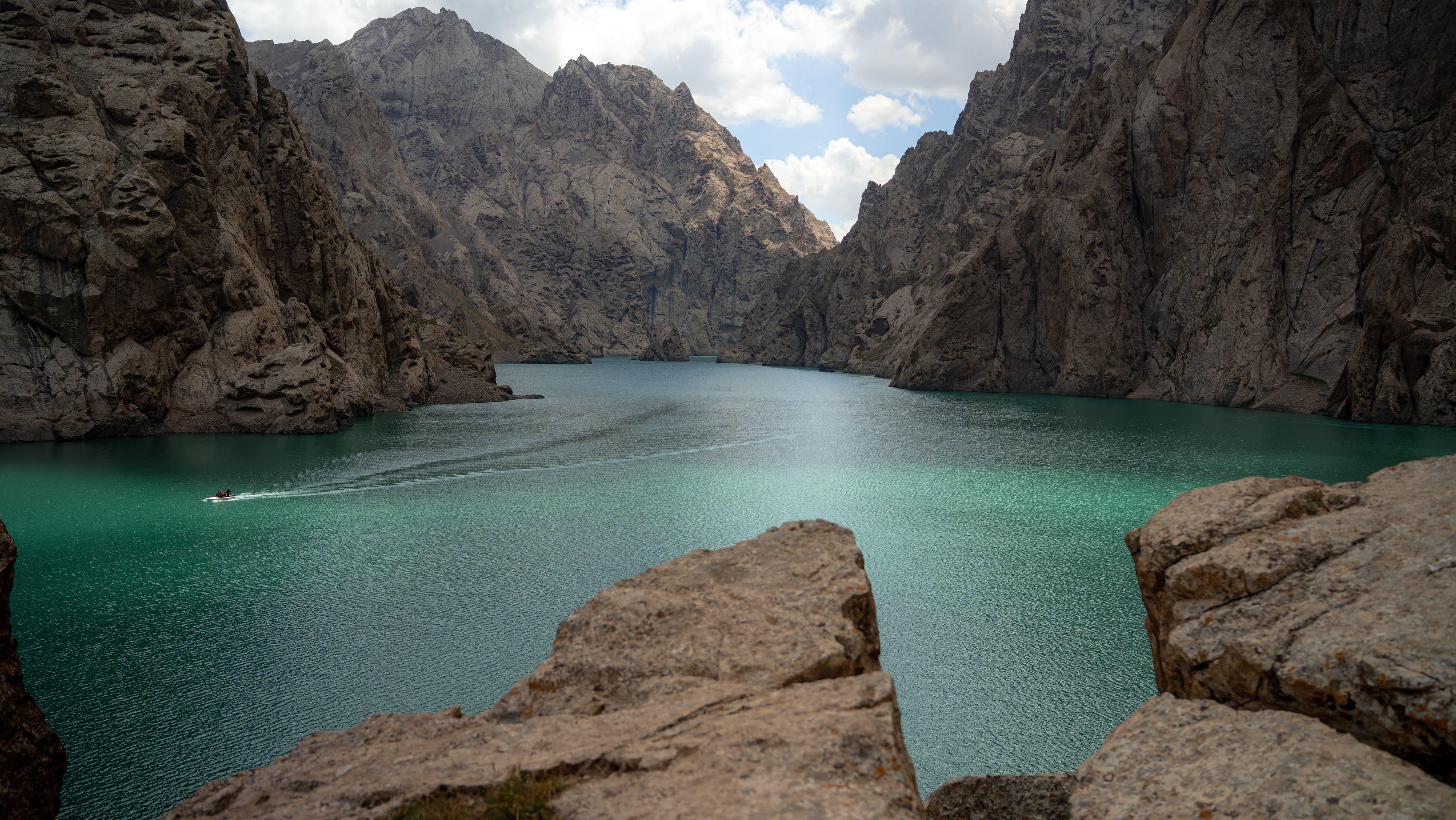
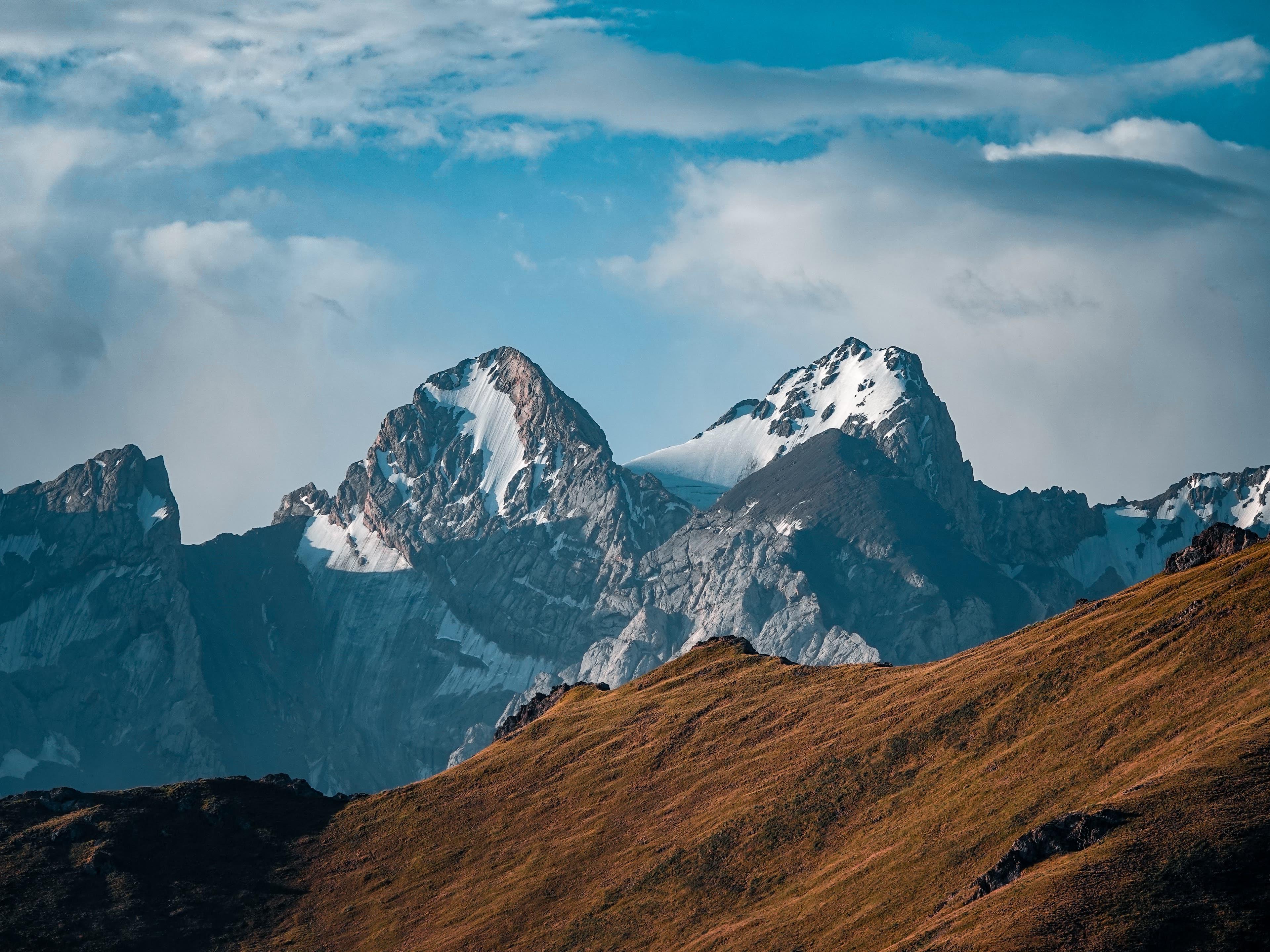
The classic is Son-Kul at 3,000 m. Camps on the way to Kel-Suu, on the south shore of Issyk-Kul (around Bokonbaevo and Tamga) and near Tash Rabat are lovely too. High-pasture camps run from roughly mid-June to mid-September.
Bring a head torch, power bank, wet wipes, slippers, a warm fleece and wool socks. The easiest first yurt night is our 3-day Son-Kul horse trek; for something more remote, see the 8-day Son-Kul and Kel-Suu tour.
Frequently asked questions
Do yurt camps have toilets and showers?
Most have a separate outdoor toilet. Some have a simple shower or banya, others don't.
Is it cold in a yurt at night?
The stove keeps it warm in the evening; it cools down at night but heavy quilts keep you warm.