Culture · 6 min read
Kyrgyz Culture and Traditions: Yurts, the Manas Epic, Kalpak and Kok-Boru
Updated: · Kyrgyzstan Outdoor
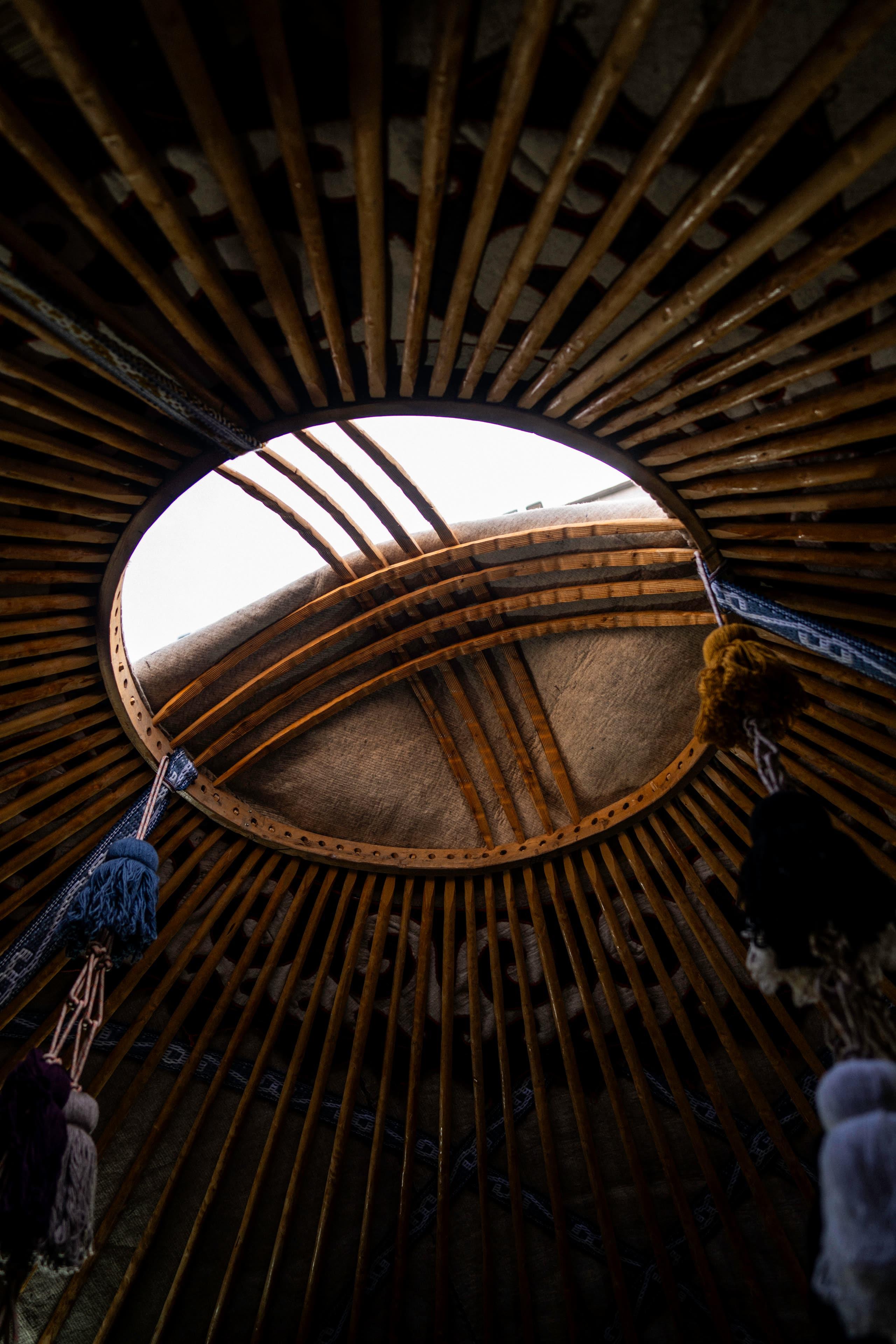
Kyrgyz culture grew out of nomadic life. Its symbols are the felt yurt (boz uy), the Manas epic, one of the longest epic poems in the world, the white felt ak kalpak hat, shyrdak and ala-kiyiz felt carpets, eagle hunting (salbuurun) and the horseback game kok-boru. Kyrgyz is a Turkic language, Russian is widely spoken, and hospitality is at the heart of daily life.
A culture shaped by the mountains
Spend a day in Kyrgyzstan and you'll see two worlds side by side: Soviet-era apartment blocks and Russian spoken in Bishkek's cafés, and, a few hours' drive away, families living in felt yurts on summer pastures exactly as their grandparents did. Kyrgyz culture is the culture of a nomadic people who spent centuries moving with their herds between the valleys and high meadows of the Tien Shan. Much of that heritage is still alive, and visitors are welcomed into it with real warmth.
Who are the Kyrgyz?
The Kyrgyz are a Turkic people of the Tien Shan and Ala-Too mountains. Their language, Kyrgyz, belongs to the Kipchak branch of the Turkic family and is very close to Kazakh. Russian is also an official language, and in the cities much of daily life happens in Russian. A few words of Kyrgyz go a long way, though; see our basic Kyrgyz phrases.
Most Kyrgyz are Muslim, but the state is secular and religion is generally worn lightly. Traces of older beliefs are woven through daily life: you'll hear echoes of Tengri, the ancient Turkic sky god, in blessings, proverbs and even the names of mountains.
Boz uy: the Kyrgyz yurt
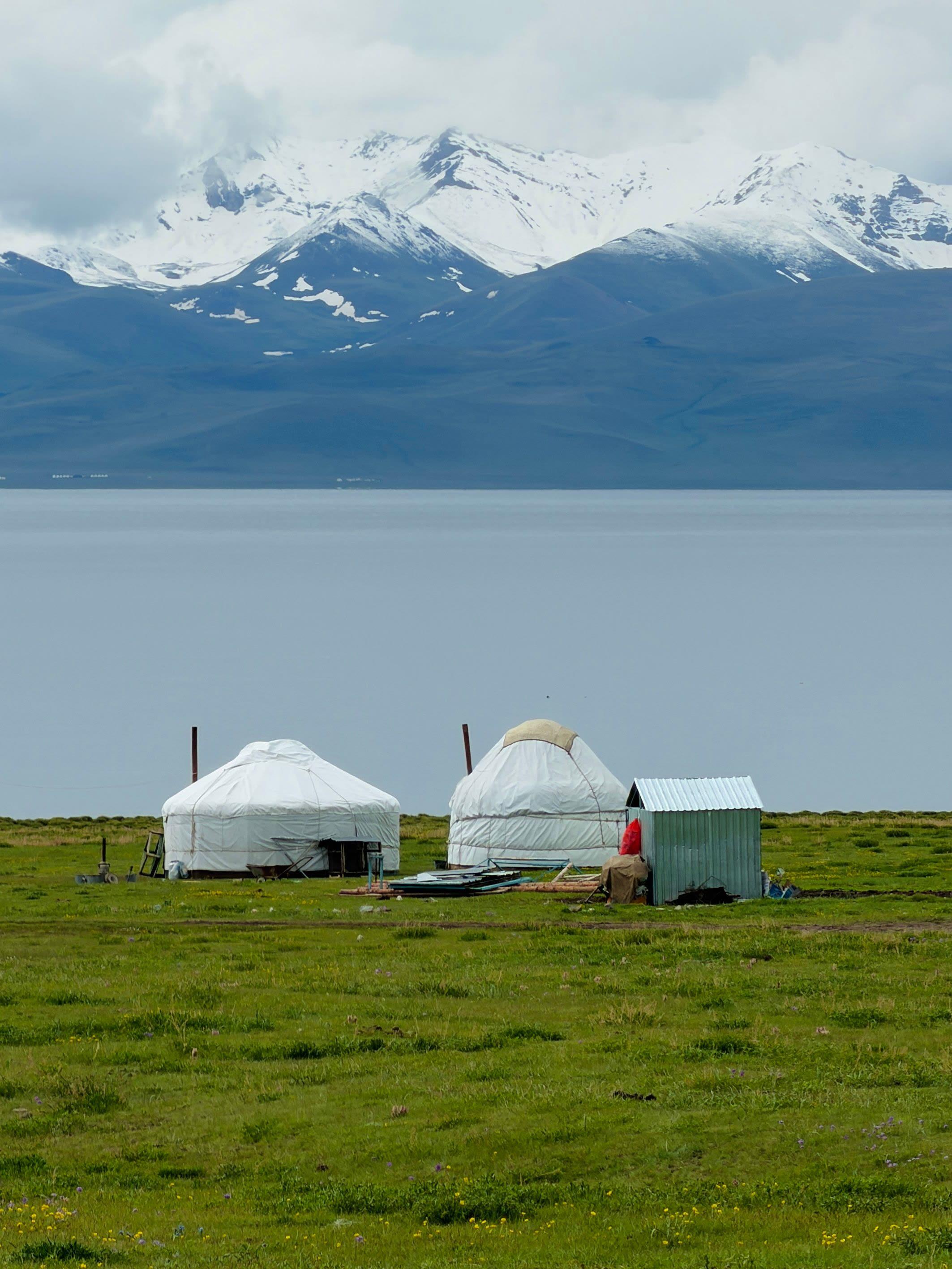
To understand Kyrgyz culture, step inside a yurt. In Kyrgyz it's called boz uy, the "grey house". A wooden lattice wall, curved roof poles and a circular crown called the tunduk are covered with thick layers of felt, with no nails at all. An experienced family can put up or take down a yurt in about an hour and load it onto horses to move to the next pasture.
Inside, everything has its place. The seat of honour opposite the door, the tör, is reserved for elders and guests. Traditionally men's and women's belongings are kept on different sides, with the stove or hearth in the middle.
The tunduk also sits at the heart of Kyrgyzstan's flag: the lines inside the yellow sun on the red field are a yurt crown seen from above. It symbolises family and continuity between generations. When an old yurt is retired, its tunduk is kept and passed on to the new one.
Visit Son-Kul in summer and you'll see hundreds of yurts and this way of life up close. Son-Kul guide
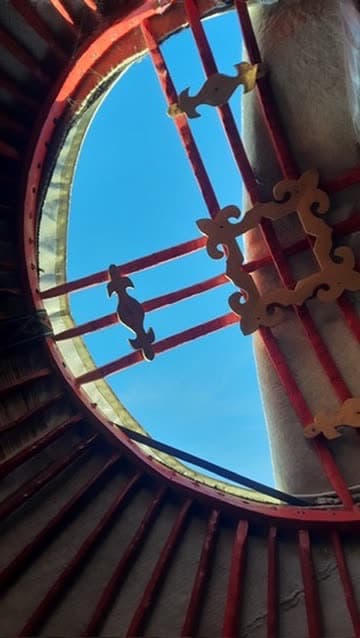 The tunduk, the yurt's crown and the symbol on the Kyrgyz flag
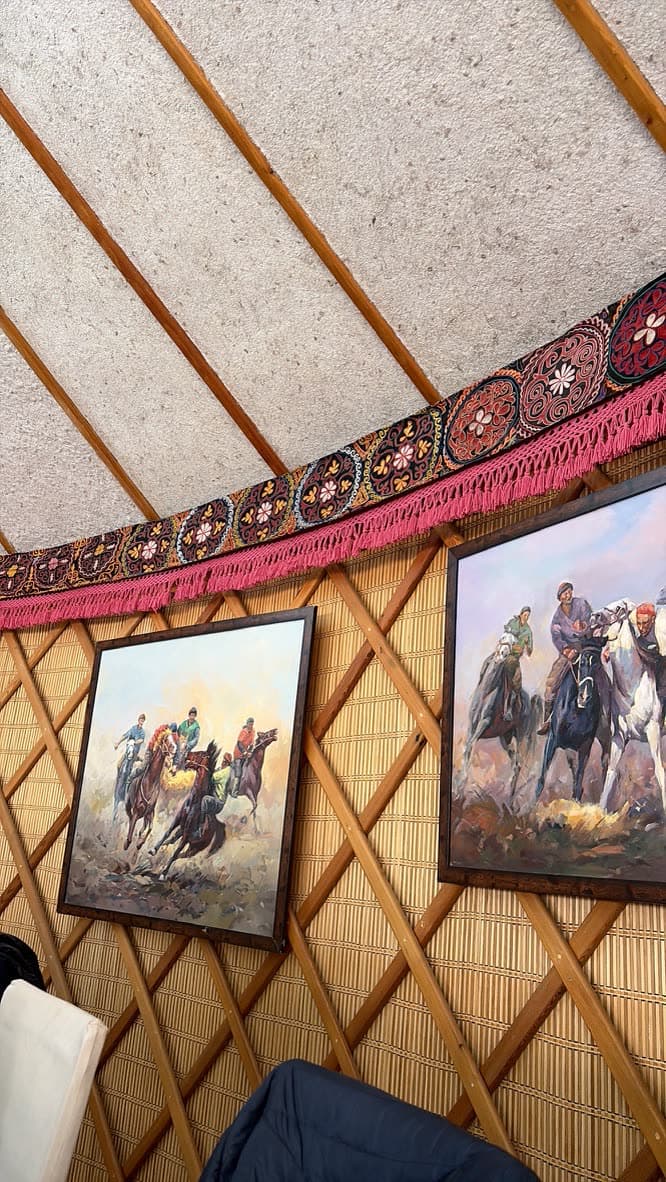 Lattice walls (kerege) and paintings of horse games
Manas: one of the world's longest epics
At the centre of Kyrgyz identity is the Manas epic, the story of the hero Manas who united the scattered Kyrgyz tribes, of his son Semetey and his grandson Seytek. Some recorded versions exceed half a million lines, many times longer than the *Iliad* and *Odyssey* combined.
Most remarkable is that the epic survived for centuries orally, not in writing. Storytellers called manaschi recite it from memory, often in an almost trance-like state. Even if you don't understand a word, hearing a good manaschi perform is unforgettable. The trilogy of Manas, Semetey and Seytek is on UNESCO's list of Intangible Cultural Heritage.
In Bishkek you'll see Manas everywhere: the statue on Ala-Too Square, the name of the airport, universities and streets.
The ak kalpak
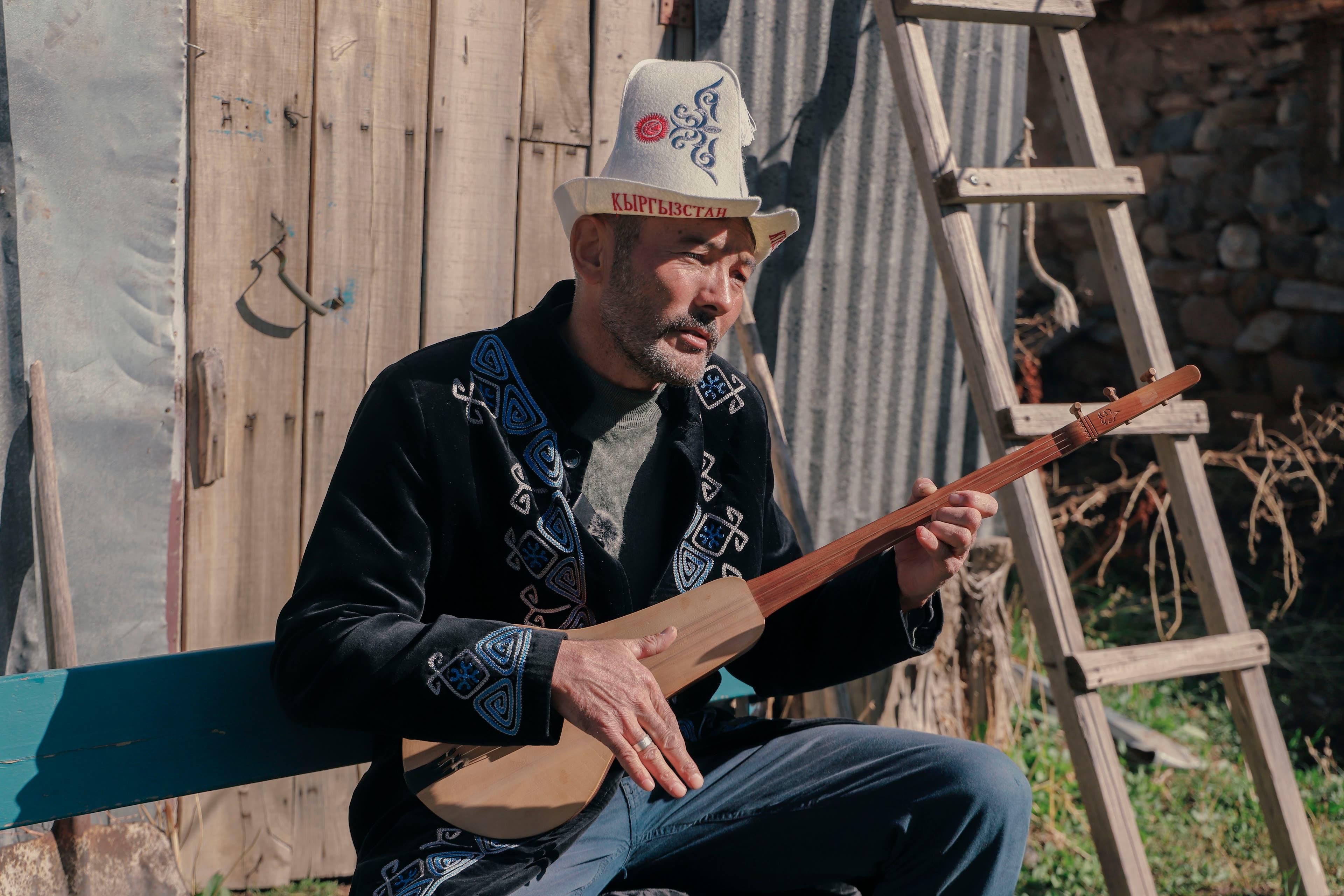
The tall white felt hat you'll see on older men all over Kyrgyzstan is the ak kalpak. It has black embroidery and a pointed crown and is so important that 5 March is celebrated as Kalpak Day. A kalpak is never put on the floor, and you never joke with someone else's.
If you buy one as a souvenir, our guide to what to buy in Kyrgyzstan explains how to spot a good one.
Felt art: shyrdak and ala-kiyiz
For a nomadic people, felt was everything: the walls of the yurt, the carpet on the floor, the coat on your back. Felt-making in Kyrgyzstan became a true art.
Shyrdak carpets are made by cutting coloured felt and stitching the pieces into bold, symmetrical patterns, mostly motifs of horns, mountains, water and plants. Ala-kiyiz carpets have their patterns pressed into the wool as it felts, giving a softer look. Both traditions are on UNESCO's list of heritage in need of urgent safeguarding.
Kochkor, on the road to Son-Kul, is the centre of felt-making. You can visit women's cooperatives and workshops and watch a shyrdak being made.
Eagle hunting
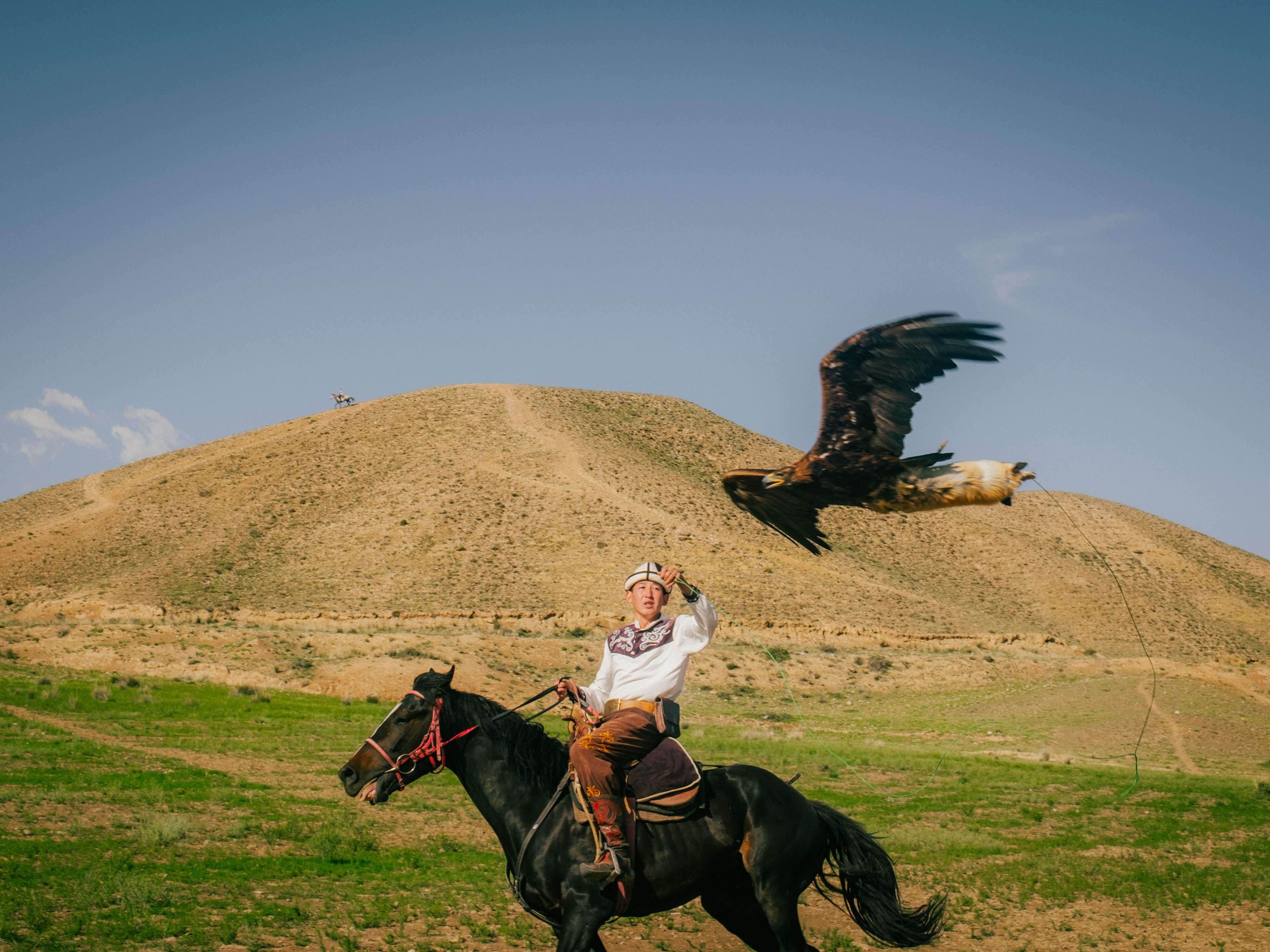
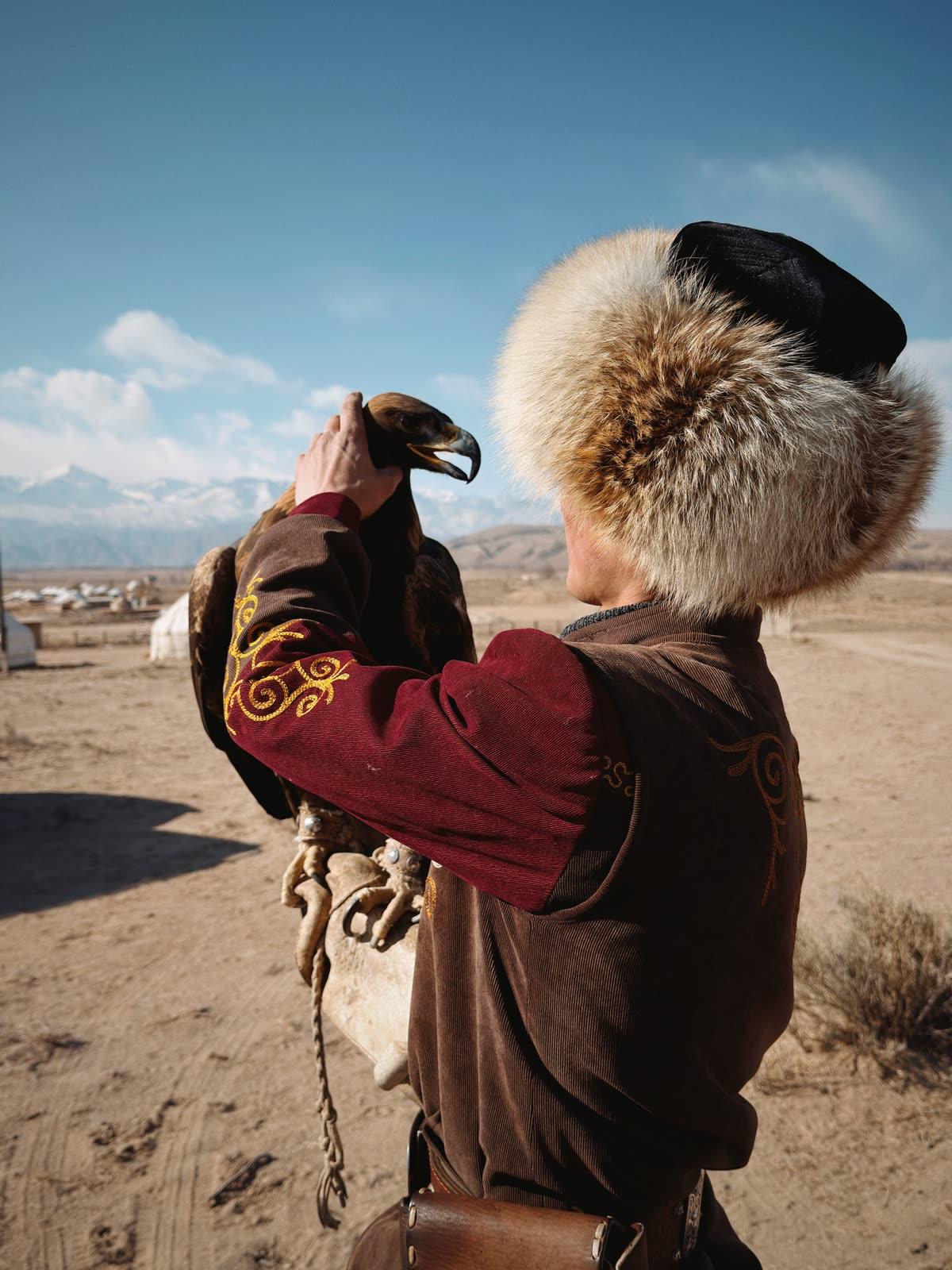
Hunting with golden eagles, salbuurun, is an ancient Kyrgyz art, and eagle hunters are called burkutchu. Training an eagle takes years, and the bond between hunter and bird can last a lifetime.
In Bokonbaevo, on the south shore of Issyk-Kul, families who keep the tradition alive give demonstrations. The eagle landing on the hunter's gloved arm and the sheer size of its open wings can't be captured in a photo. The demonstration is included in most of our tours.
Kok-boru and horse games
Kok-boru is Kyrgyzstan's most beloved traditional game: two teams on horseback fight to grab a goat carcass and throw it into the opponents' goal. It's rough, fast and loud, and the crowd is as passionate as the players. It's on UNESCO's list too.
Other horse games are just as striking. In kyz kuumai, a young man chases a young woman on horseback; if he fails to catch her, she chases him back with a whip. Er enish is wrestling on horseback and at chabysh is long-distance horse racing.
You can see them at village festivals and weddings in summer, and at the World Nomad Games, first held on the shore of Issyk-Kul in 2014.
Music
The sound of Kyrgyz music is the komuz, a fretless three-stringed lute. Komuz tunes often tell a story: a galloping horse, a wind, a farewell. The jaw harp (temir komuz) and the bowed kyl kyyak are traditional too. You might hear live komuz at the Philharmonic in Bishkek or around the stove in a yurt camp.
Hospitality and etiquette
Being a guest in Kyrgyzstan means your host's full attention is on you. A few simple customs help you respond in kind.
Take your shoes off when entering a home or yurt. If you're shown to the tör, accept. Your tea bowl will be filled only halfway; it's a sign your host wants to keep serving you. Treat bread with respect: don't put it upside down, drop it or place things on it.
Men often shake hands with both hands. With women, it's good practice to wait for them to offer a hand. Elders sit first and eat first, and their words carry weight at the table.
Ask before photographing people. Most will smile and agree, and some will call their children over. If you're invited to someone's home, bring a small gift: tea, sweets or something from your own country is always appreciated.
Holidays
Nooruz (21 March) celebrates the arrival of spring. Kalpak Day is on 5 March and Independence Day on 31 August. Eid al-Fitr and Eid al-Adha (Orozo Ait and Kurman Ait) are public holidays.
The best way to see Kyrgyz culture up close is to spend some time on the pastures, in a yurt. The Son-Kul horse trek is a great start; for a longer journey that includes the eagle hunters, see Ultimate Kyrgyzstan.
Frequently asked questions
What language do people speak in Kyrgyzstan?
Kyrgyz, a Turkic language, is the state language and Russian is an official language widely spoken in cities.
What is the Manas epic?
Manas is one of the longest epic poems in the world, about the hero who united the Kyrgyz. The Kyrgyz epic trilogy is on UNESCO's Intangible Cultural Heritage list.
What is on the flag of Kyrgyzstan?
A yellow sun with 40 rays on a red field, with the tunduk (yurt crown) at its centre. The 40 rays represent the 40 legendary Kyrgyz tribes.