Nature & routes · 5 min read
Son-Kul Lake Guide: How to Get There, Yurt Stays and Horse Treks
Updated: · Kyrgyzstan Outdoor
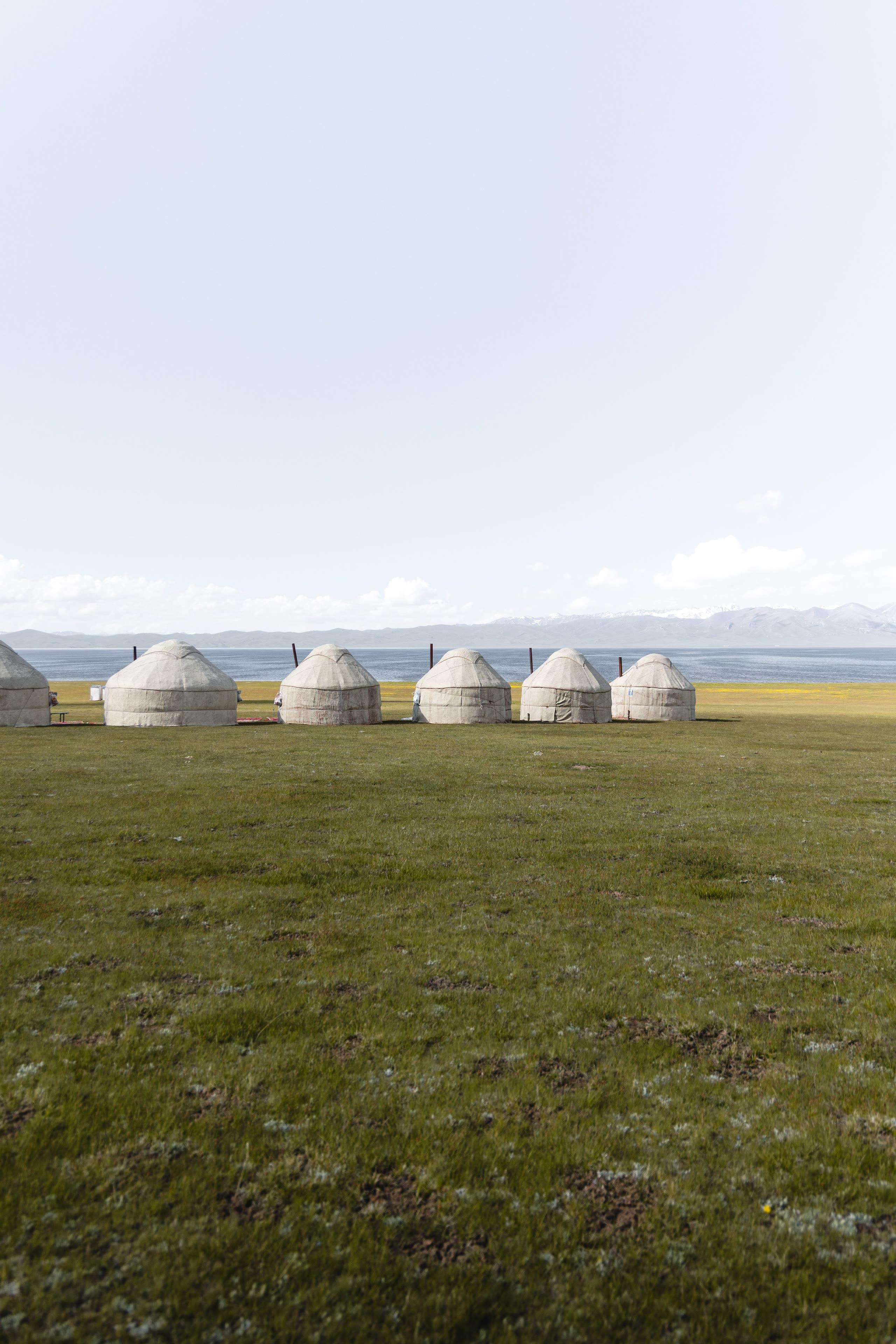
Son-Kul (also spelled Song Kol or Song-Köl) is an alpine lake in Kyrgyzstan's Naryn region at about 3,016 m, covering roughly 270 km². From mid-June to mid-September herding families live in yurts on its shores. It is about 5–6 hours by road from Bishkek or 2–3 days on horseback from Kyzart village, and accommodation is in lakeside yurt camps.
What makes Son-Kul so special?
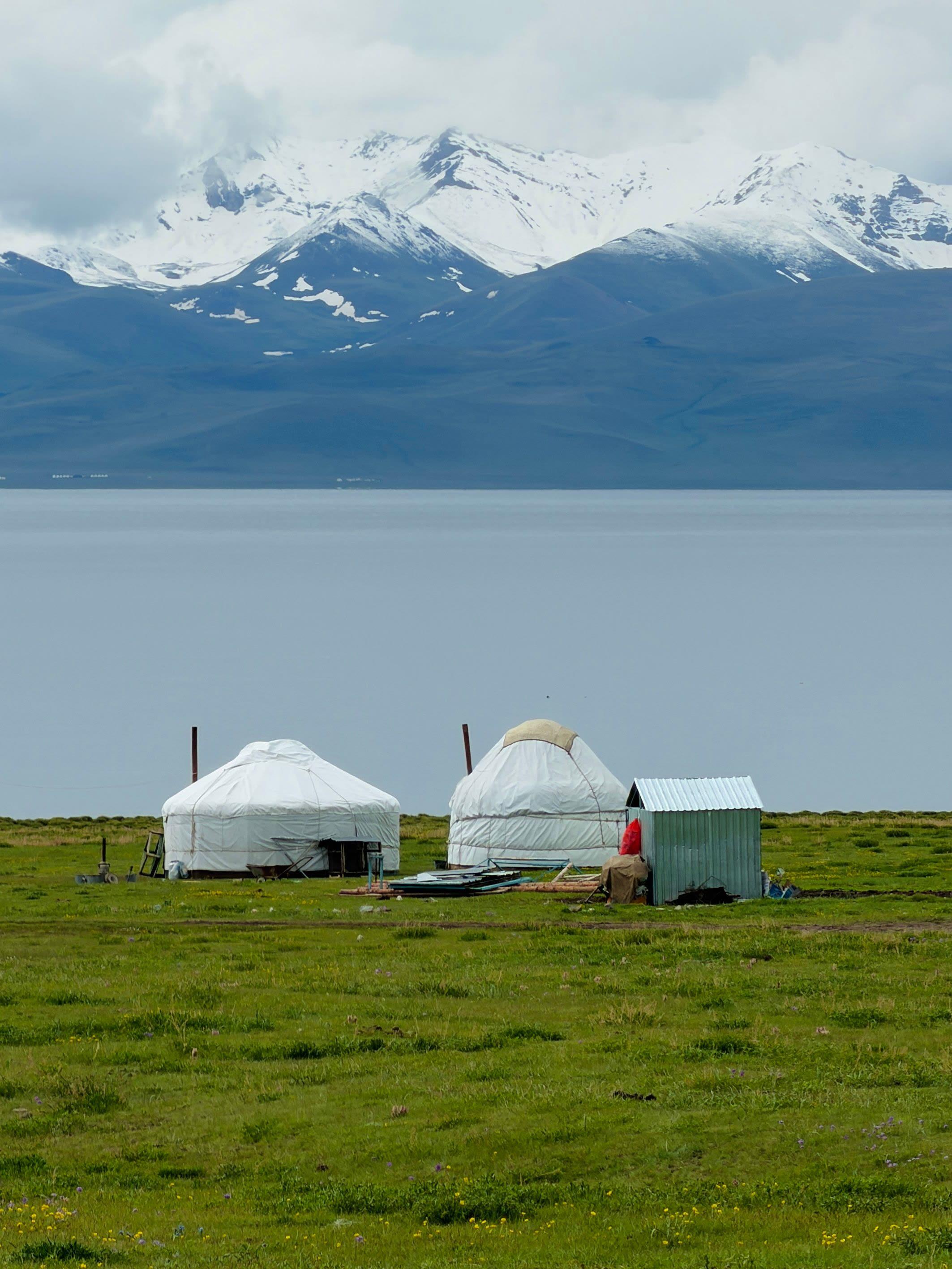
Son-Kul is on almost every Kyrgyzstan wish list, and for good reason. The lake sits in the middle of a wide plateau ringed by mountains, at about 3,016 m. There isn't a single tree around it and hardly a building. Just endless meadows, grazing horse herds and, in summer, white yurts strung along the shore.
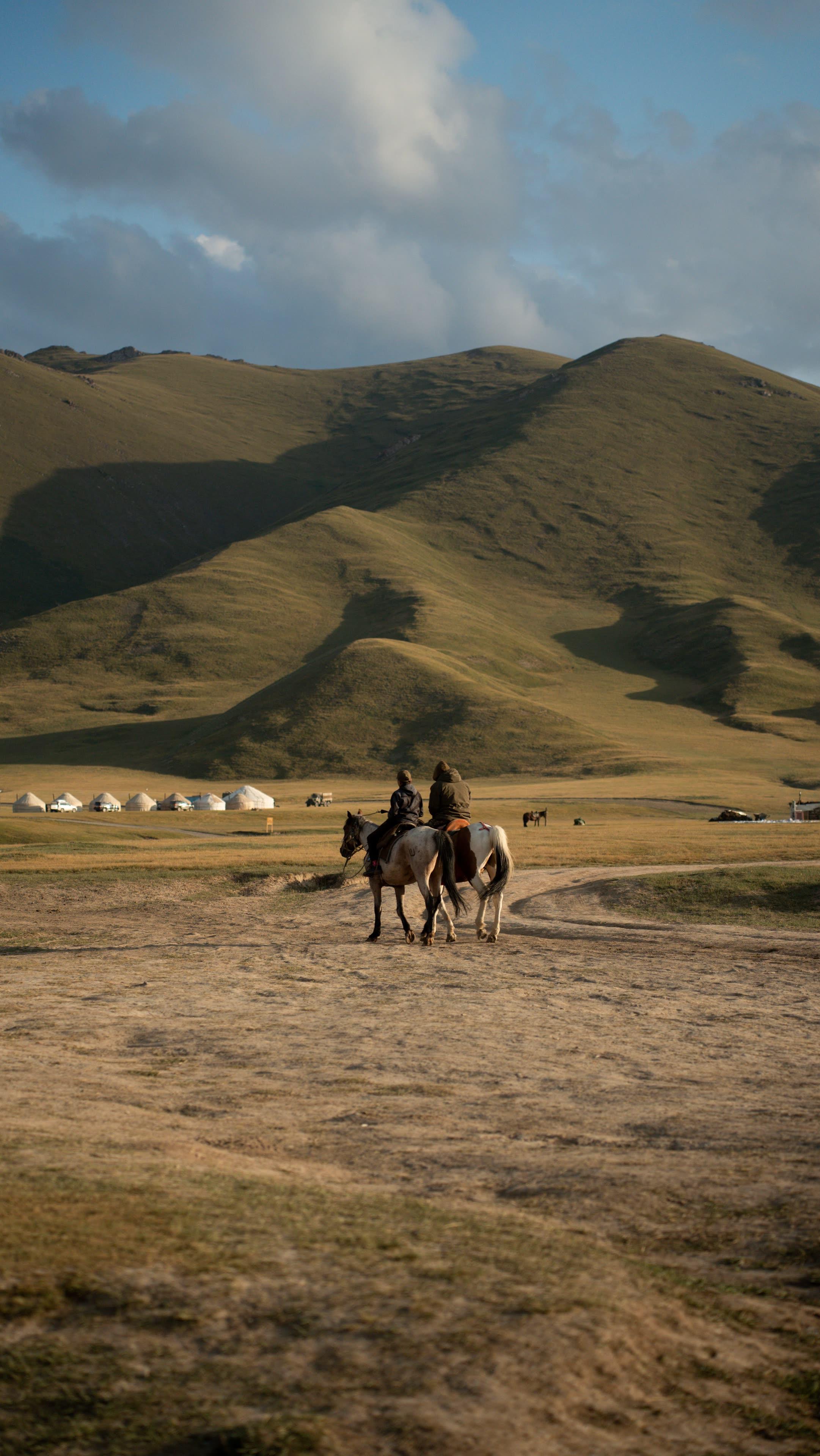
What sets it apart from other beautiful mountain lakes is that people still live here. Around mid-June herding families from the Naryn and Kochkor areas bring their animals up to the pasture, put up their yurts and stay for three months. Mares are milked, kymyz ferments, children gallop around on horseback. You enter that world as a guest.
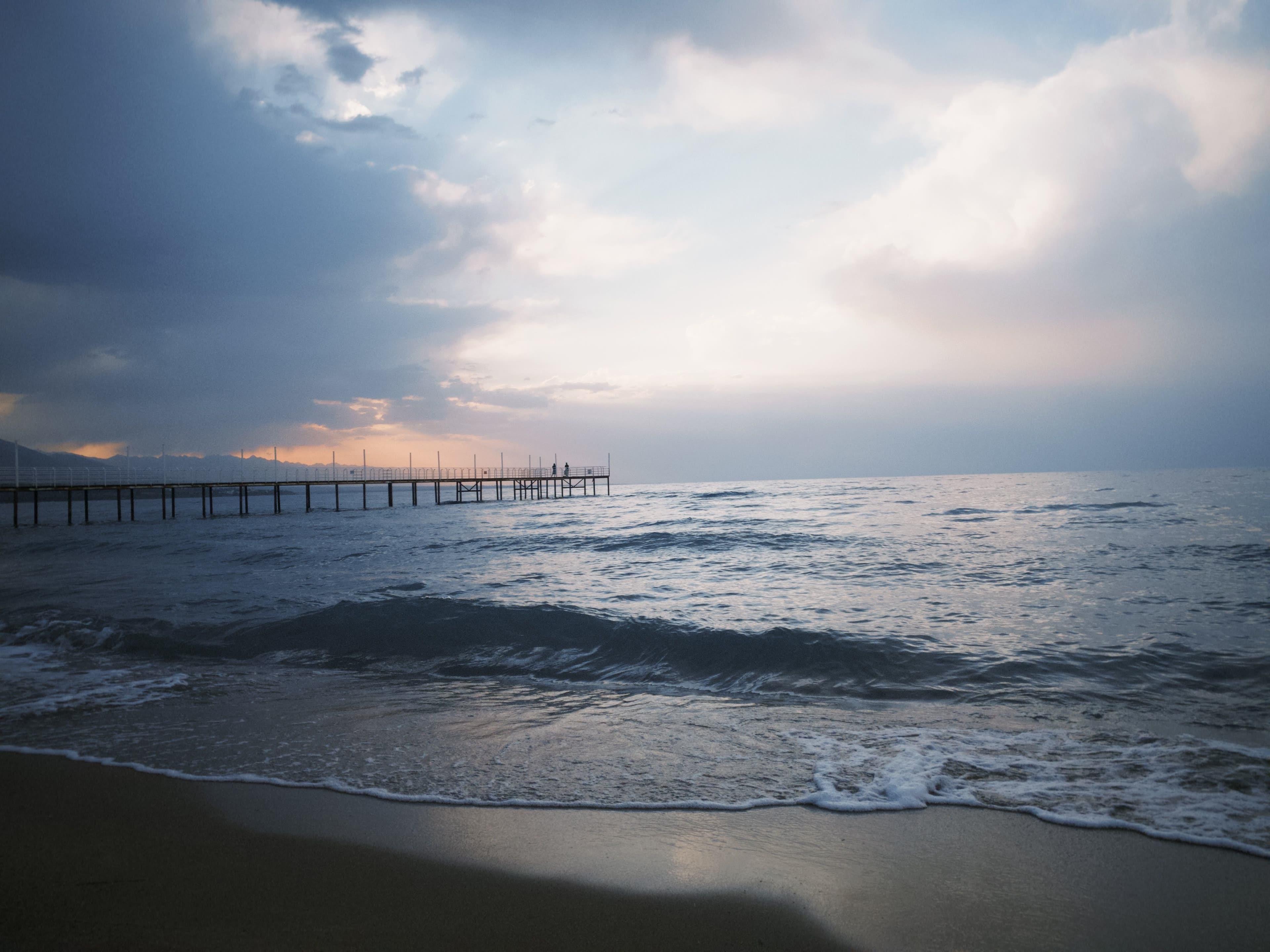
Son-Kul covers about 270 km², making it the largest freshwater lake in Kyrgyzstan (Issyk-Kul is bigger but slightly saline). You'll see the name spelled many ways: Son-Kul, Song-Köl, Song Kol, Son Kul, and Сон-Куль in Russian. *Köl* simply means "lake" in Kyrgyz.
How to get to Son-Kul
There are two ways, and which you choose changes the experience completely.
By road
From Bishkek via Kochkor it takes about five to six hours. Most of the road is paved; the last stretch is a winding gravel mountain road. You need a high-clearance vehicle or a 4x4, and after rain the road gets harder. The approach from Naryn over the Moldo-Ashuu pass is famous for its countless hairpin bends: seen from above, the road coils like a ribbon.
Driving is the way to go if you're short on time.
On horseback
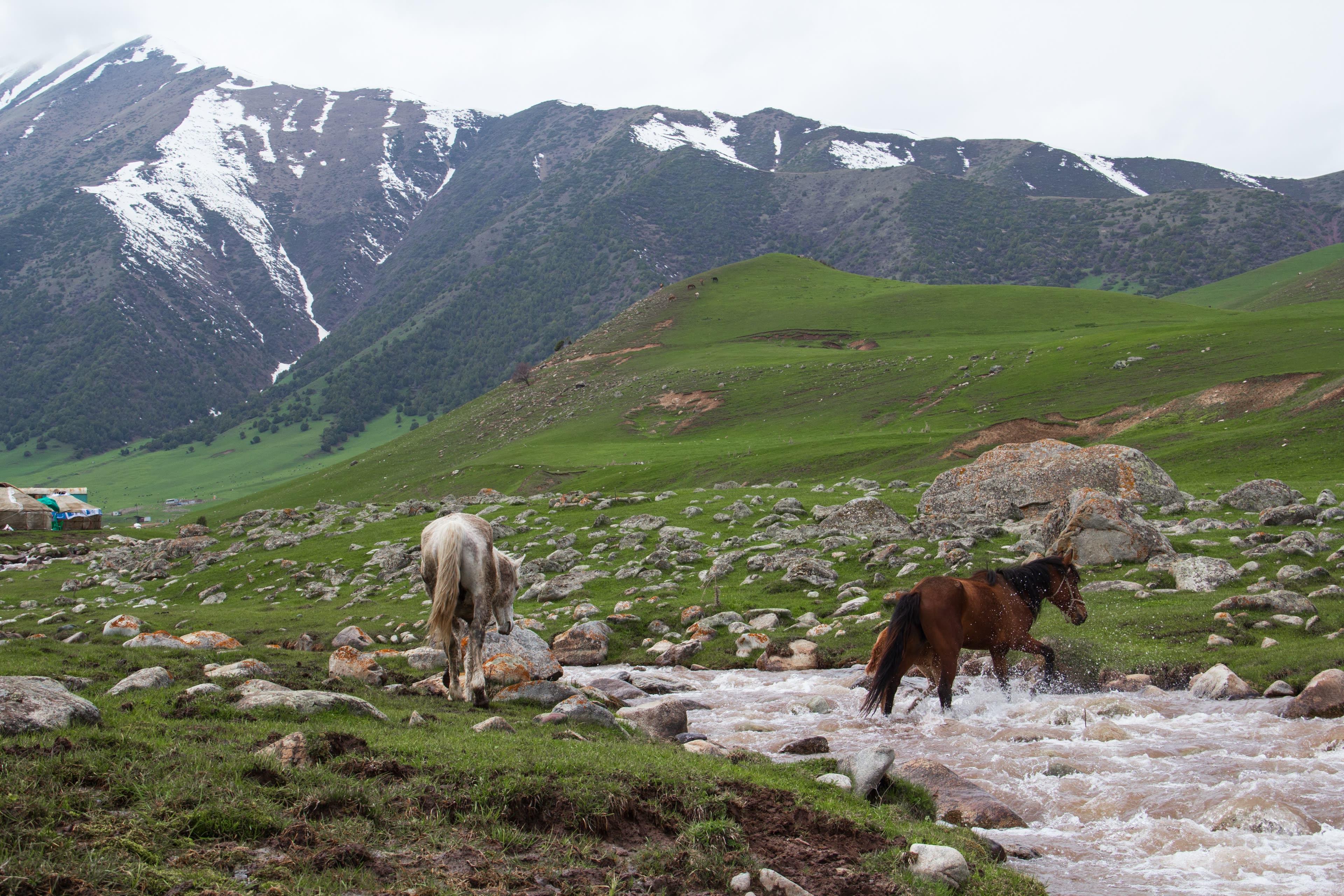
If you ask us, the best way to reach Son-Kul is on horseback. The classic route starts in Kyzart village near Kochkor. On day one you ride up through the valleys to the Kilemche pasture and spend the night in a yurt. On day two you climb to a high pass. At the top, Son-Kul suddenly opens up below you. That moment alone is worth the ride.
If you've never ridden before, don't worry. Kyrgyz horses are calm and know these trails by heart. The pace is slow and a local horseman rides with you. More in our guide to horse trekking in Kyrgyzstan.
Our trips on this route: the 3-day Son-Kul horse trek and the 6-day Son-Kul circuit, which loops all the way around the lake.
When to go
Son-Kul's season is short. The road usually starts to open in late May, but the yurts wait until mid-June. Herding families start leaving from mid-September. So the real window is mid-June to mid-September.
Late June and July are the greenest, with wildflowers everywhere. August has the most stable weather, ideal for riding. The first half of September is quiet and colourful, but nights are properly cold. From October to May the lake is covered in snow and ice and the road is mostly closed.
What a night in a yurt is like
There are no hotels or guesthouses at Son-Kul; you stay in yurt camps on the shore. A yurt is a wooden frame covered in thick felt, but once you step inside, "tent" feels like the wrong word. Felt carpets cover the floor, embroidered hangings line the walls and a stove sits in the middle.
A yurt usually sleeps four to six people; couples and families can have their own. Beds are thick mattresses on the floor with heavy blankets. In the evening the stove is lit and the yurt warms up fast; after midnight the fire dies down, and by dawn you won't want to leave your blankets.
At most camps the toilets are outside and basic. Some have hot showers, some don't. Electricity is usually solar and limited to a few hours in the evening. Knowing this up front sets the right expectations: at Son-Kul you're paying for an experience, not for comfort.
Things to do at Son-Kul
There isn't much to "do" at Son-Kul, and that's the beauty of it. Walk the shore in the morning, ride over to a herding family's yurt for tea in the afternoon, watch the sunset in the evening and the stars at night.
We're not exaggerating about the stars: the nearest town lights are many kilometres away, and on a clear night the Milky Way is plainly visible. Photographers, bring a tripod.
The lake is also an important stopover for migratory birds, and some camps let you watch felt-making or see how a yurt goes up.
Weather and what to wear
The most common mistake at Son-Kul is packing too lightly. Even in July nights can drop close to freezing, the wind rarely stops and sunshine can turn to hail within an hour.
Bring a fleece, a down jacket, a hat, thin gloves and a waterproof shell. The sun is fierce at this altitude, so sunscreen and sunglasses matter as much as the jacket. See our full Kyrgyzstan packing list.
About the altitude
Three thousand metres isn't a problem for most people, but your body will notice. A mild headache, poor sleep or getting out of breath quickly on the first night are normal. Drink plenty of water, take the first day easy and go light on alcohol. If you have heart or breathing conditions, talk to your doctor before you go.
Which route should include Son-Kul?
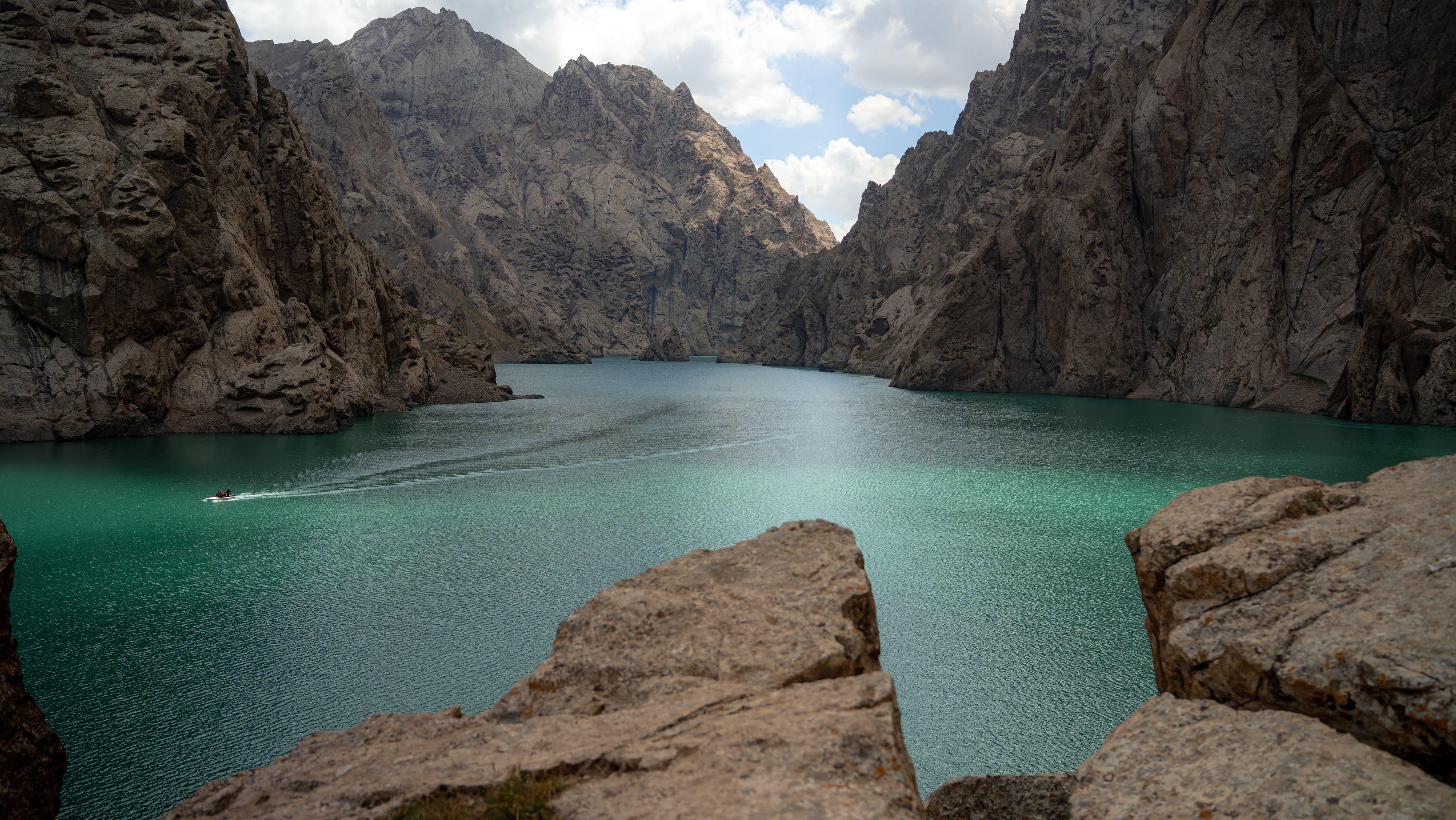
Son-Kul works as a short getaway on its own, or as the highlight of a longer trip. Two examples are the 7-day Son-Kul & Ala-Kul tour, which combines it with Issyk-Kul and Ala-Kul, and the 10-day Ultimate Kyrgyzstan tour, which adds Kel-Suu. If you'd rather build your own route, get in touch.
Frequently asked questions
How high is Son-Kul?
Son-Kul lies at about 3,016 metres above sea level.
How long does it take to get from Bishkek to Son-Kul?
About 5–6 hours by road via Kochkor, or two days on horseback from Kyzart village.
Where do you stay at Son-Kul?
There are no hotels. Visitors stay in yurt camps on the lakeshore.