Nature & routes · 5 min read
Horse Trekking in Kyrgyzstan: The Complete Beginner's Guide
Updated: · Kyrgyzstan Outdoor
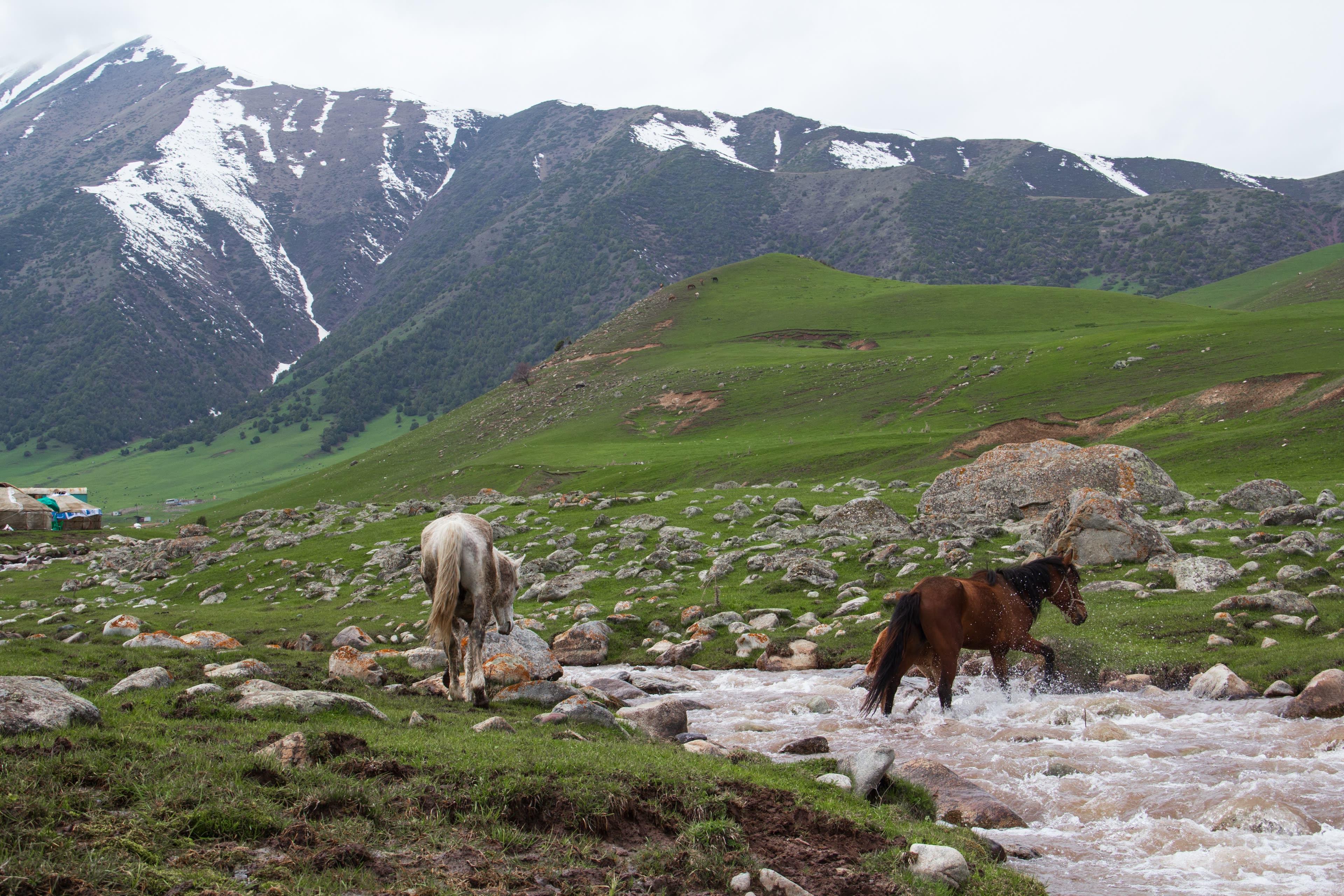
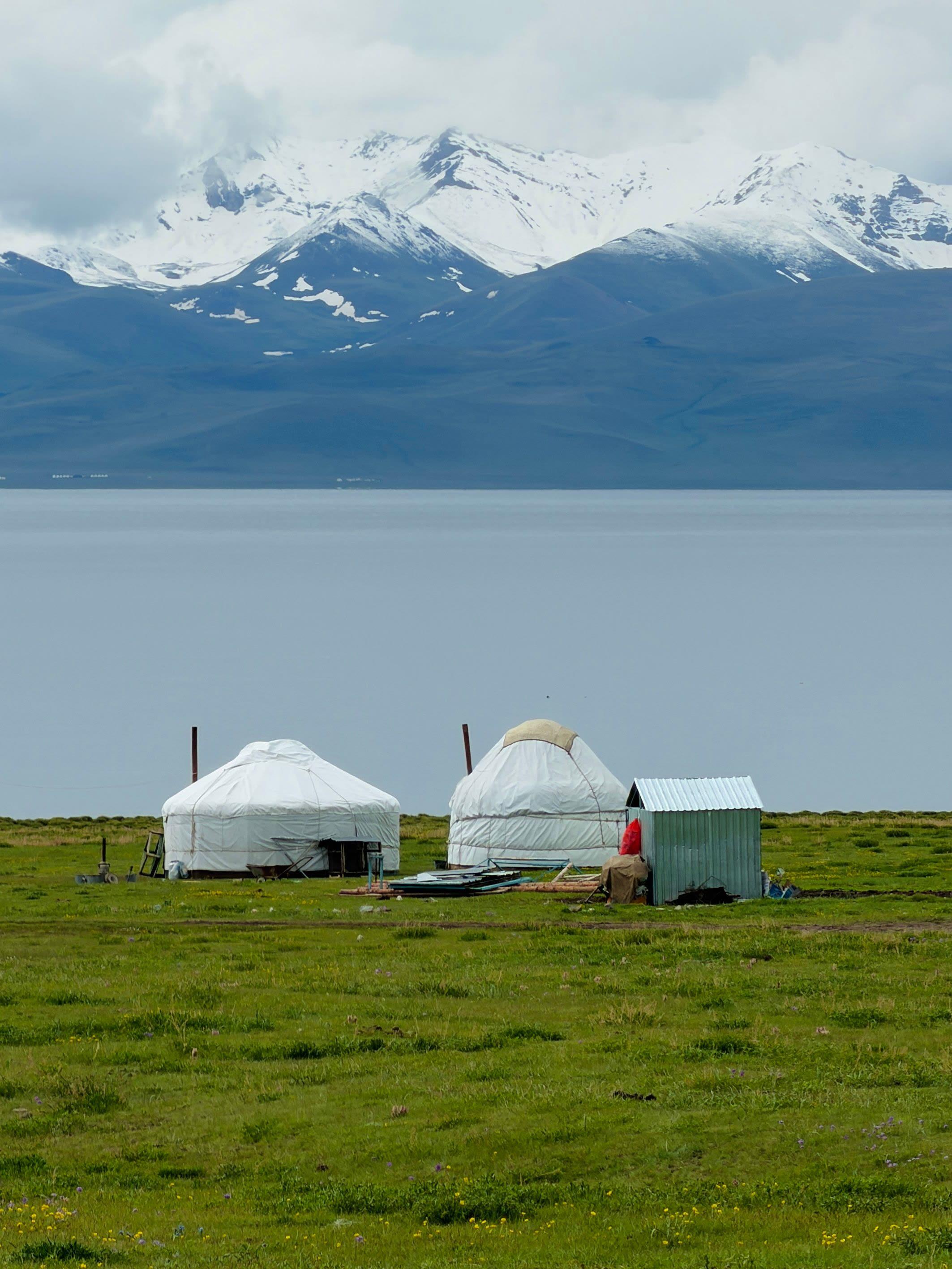
Kyrgyzstan is one of the best countries in the world for horse trekking: horses are central to nomadic culture and the high pastures are crossed by trails, not roads. The most popular routes are Kyzart to Son-Kul (2–3 days), the Son-Kul circuit (6 days), Altyn-Arashan to Ala-Kul and Kel-Suu. No experience is needed: Kyrgyz horses are calm and sure-footed, and local horsemen accompany every group. The season runs June to September.
In Kyrgyzstan, a horse is more than transport
A Kyrgyz proverb says: "The horse is a man's wings." Once you reach the high pastures you understand exactly what it means. Where the roads end, trails begin, and on those trails it's horses that move, not cars. Shepherds herd their flocks on horseback, children ride almost as soon as they can walk, and weddings and holidays are celebrated with horse games.
That's why a horse trek in Kyrgyzstan is nothing like a pony ride in a park. You saddle up in the morning, cross a pass, drink tea in a shepherd's yurt at lunchtime and sleep in another yurt in another valley that night. For a few days you're moving through nomadic life itself.
"I've never ridden. Can I do this?"
It's the question we hear most, and the answer is yes. Most people who join a horse trek in Kyrgyzstan have ridden once or twice, or never.
The first thing that makes this possible is the horses. Kyrgyz horses are small, muscular and remarkably calm. They were born in these mountains and grew up on these trails. On a stony slope they know where to put their feet better than you do; most of the time the right move is to trust them and not pull on the reins.
The second is the local horsemen. Every group rides with a guide who knows the animals and the terrain inside out. On day one there's a short briefing: how to mount, how to hold the reins, how to sit going downhill, what to do if your horse won't stop. The trail teaches you the rest.
The third is the pace. Horse treks aren't races. You'll walk most of the way with the odd gentle trot, and the pace follows the least experienced rider. For confident riders, faster stretches can be arranged on the flat.
Let's be honest, though: five or six hours in the saddle is tiring. Sore legs and hips on the first morning are completely normal. For most people, the body adjusts by the middle of day two.
The best horse trekking routes
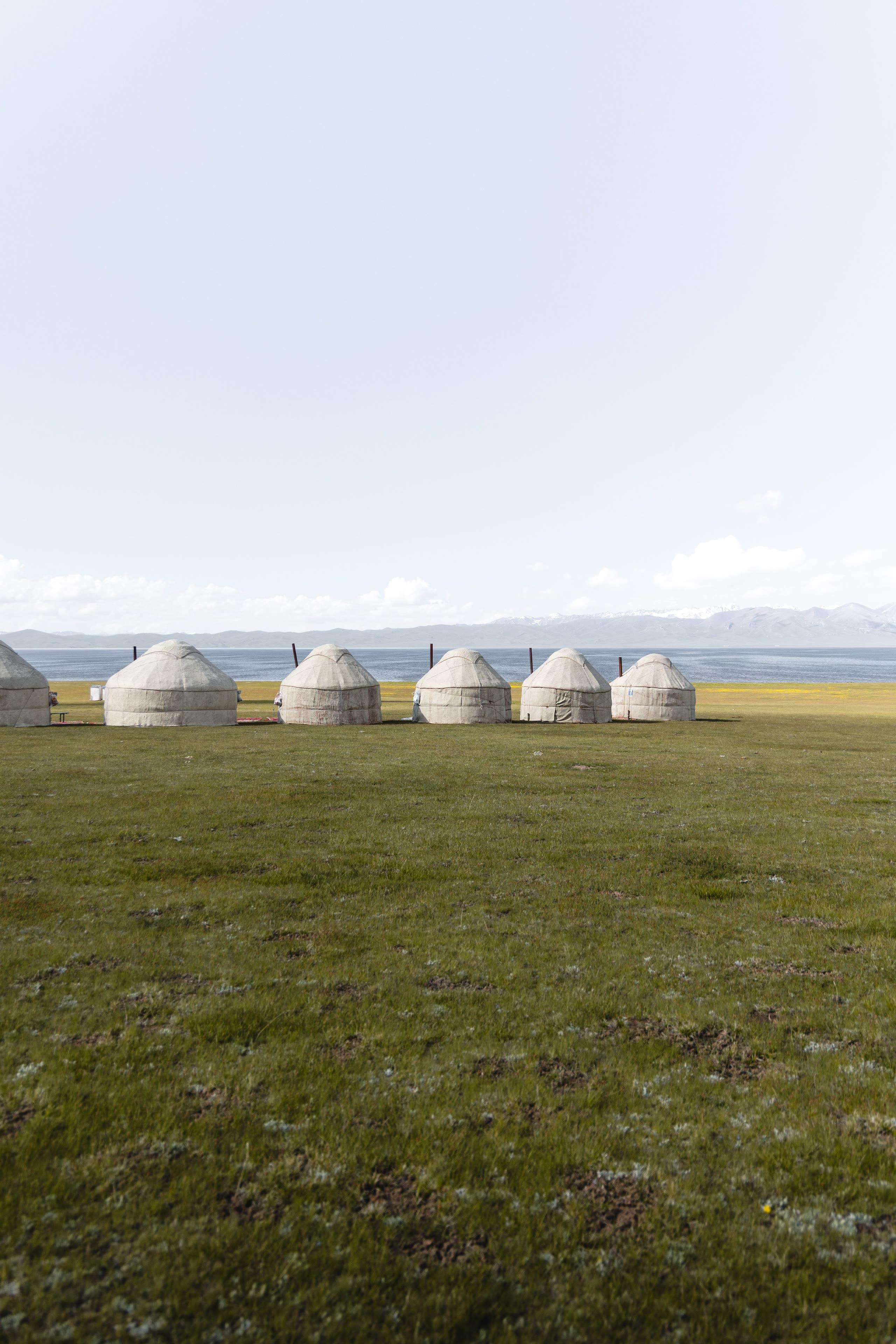
Kyzart – Kilemche – Son-Kul. Kyrgyzstan's classic horse route and the best choice for a first trek. You start in Kyzart village, spend a night in a yurt on the Kilemche pasture and cross a pass down to Son-Kul the next day. Two or three days. 3-day Son-Kul horse trek
The Son-Kul circuit. A longer, wilder route that loops all the way around the lake over the Tuz-Ashuu and Ozbek-Ashuu passes, with some nights in yurts and some in tents. Six days in the saddle takes some fitness, but you'll see valleys few tourists reach. 6-day Son-Kul horse trek
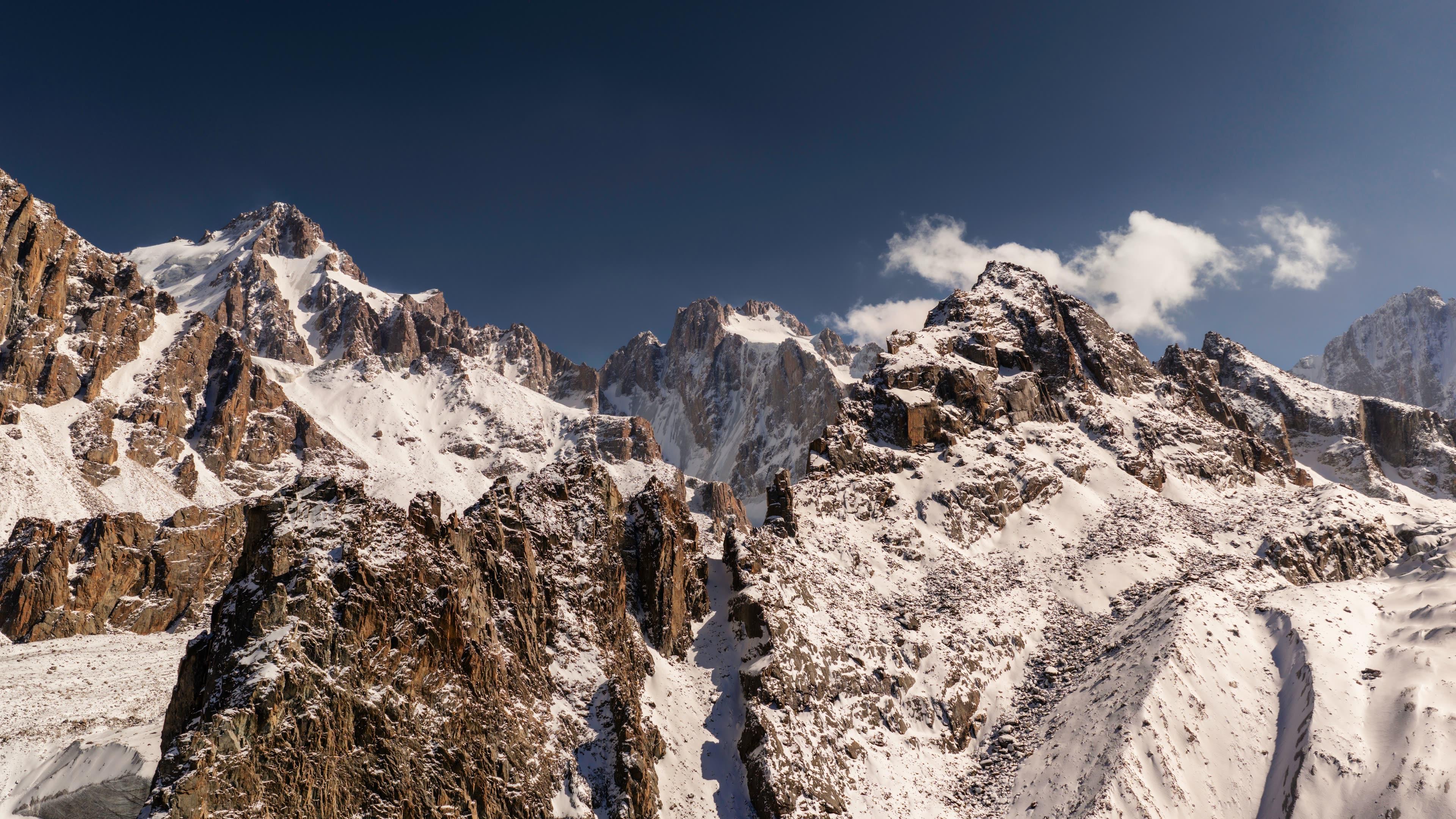
Altyn-Arashan – Ala-Kul. Near Karakol, this route climbs from a forested valley towards the Ala-Kul pass at about 3,900 m. The final section is usually on foot. Looking down on the turquoise lake is one of the most photographed moments in the country.
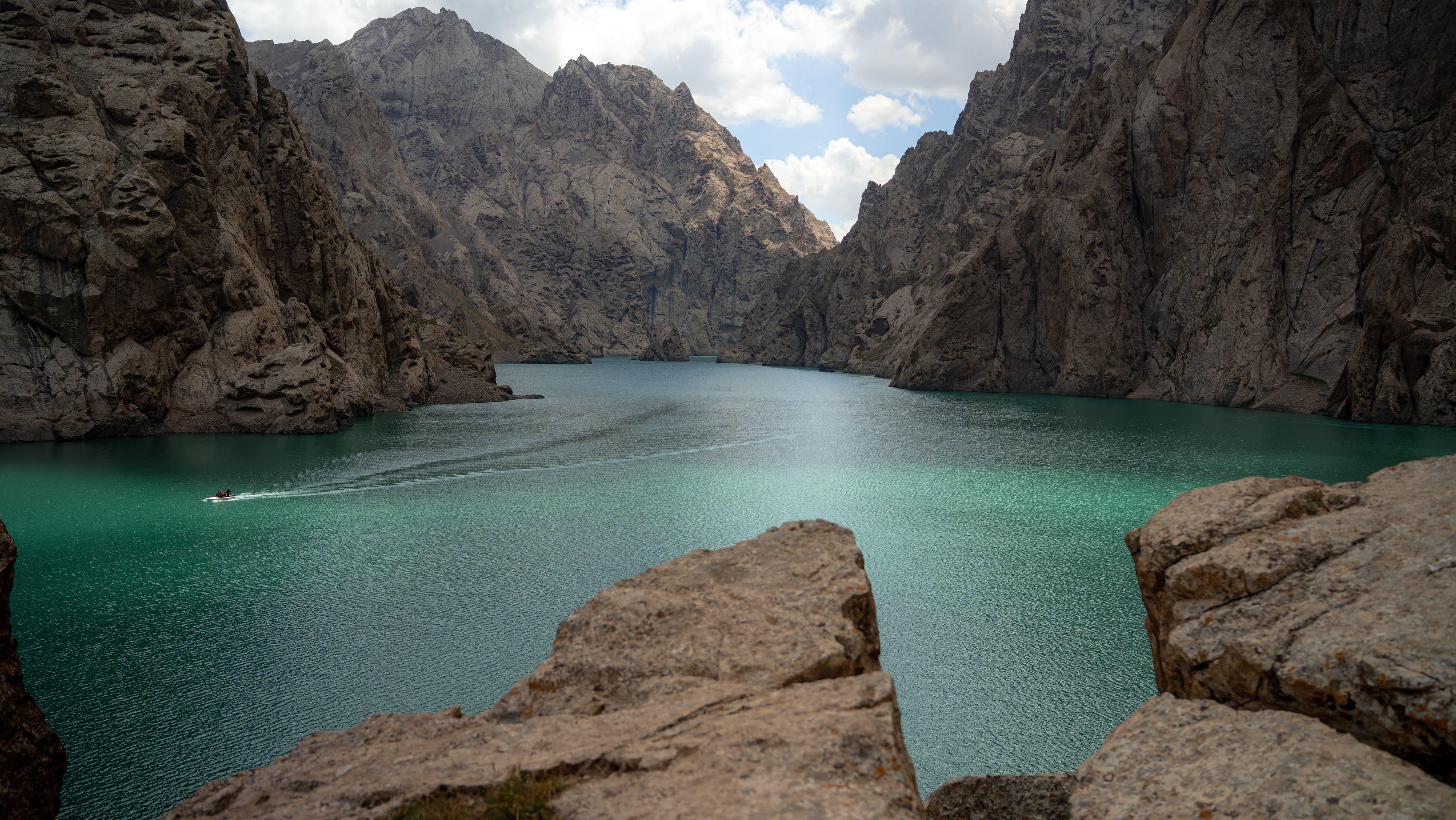
Kok-Kiya – Kel-Suu. A remote route to a lake hidden among cliffs near the Chinese border. A border-zone permit is required. Son-Kul & Kel-Suu tour
Jeti-Oguz and Chon-Kemin. Ideal for easy rides of a few hours or half a day, and a good start for first-timers and families with children.
A day on a horse trek
Breakfast in the yurt is around half past seven: fresh kaymak cream, jam, boorsok, bread and lots of tea. While you eat, your horseman gathers and saddles the horses. Big bags go on pack horses or the support vehicle; you only carry a small daypack.
You set off around nine and ride for two or three hours until lunch, with photo stops wherever the view demands. Lunch is either a picnic by a stream or tea and bread in a shepherd's yurt along the way. Then another two or three hours in the afternoon. On steep descents your guide may ask you to dismount and walk, for your safety and the horse's.
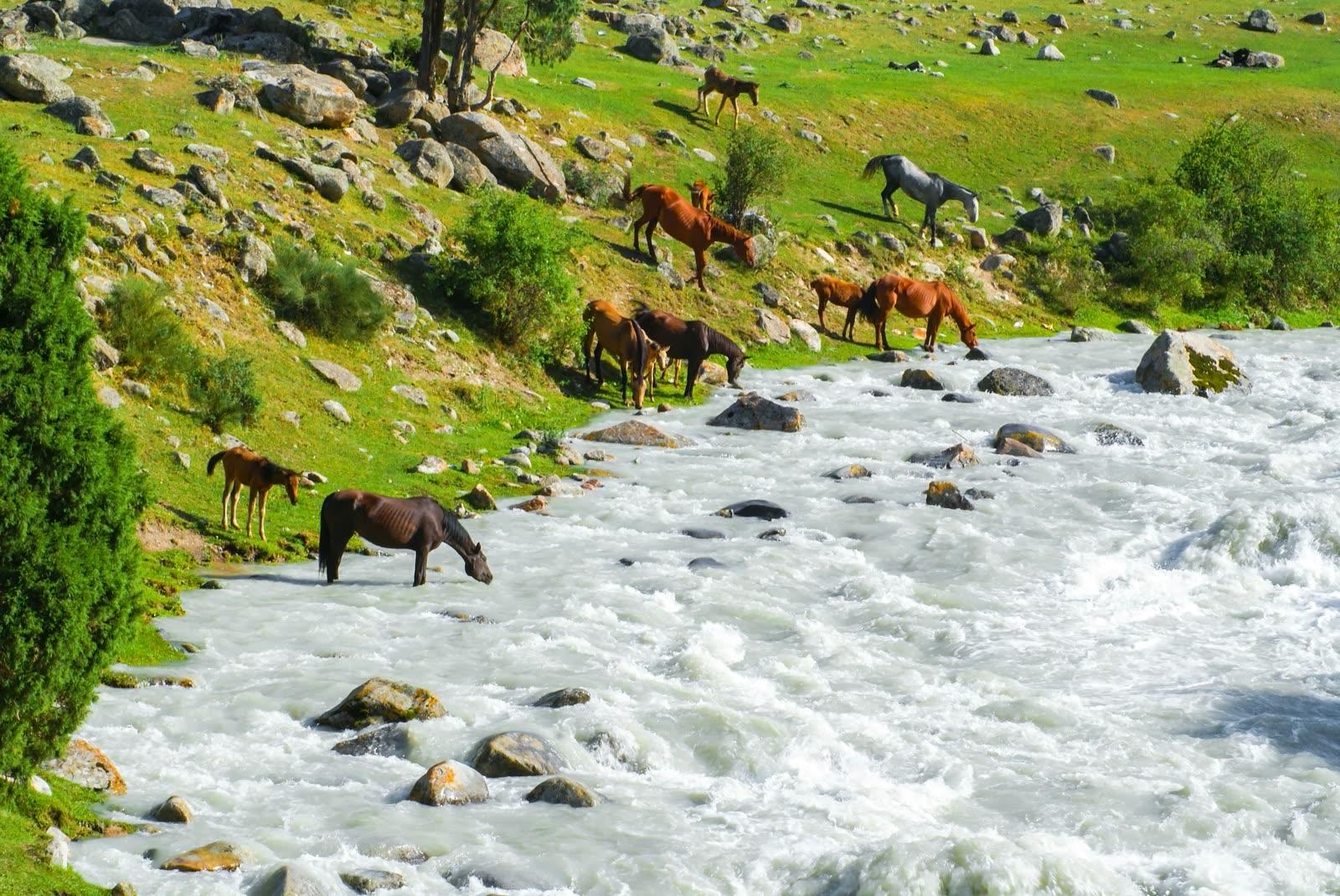
In the late afternoon you reach camp. The horses are turned out to graze and you wait for hot shorpo or beshbarmak. Then the stars come out. With no phone signal, the best thing to do is sit by the stove and talk.
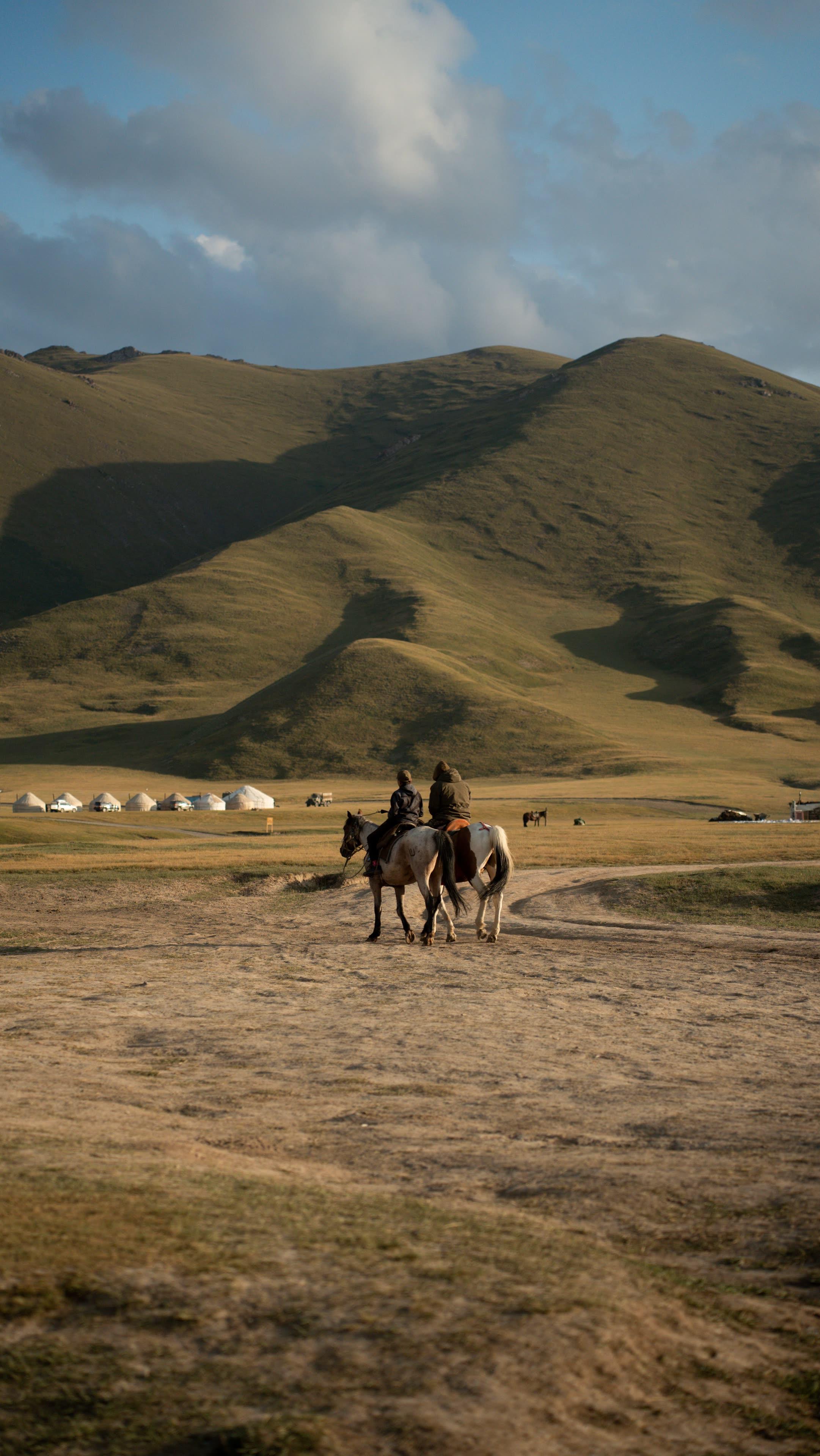
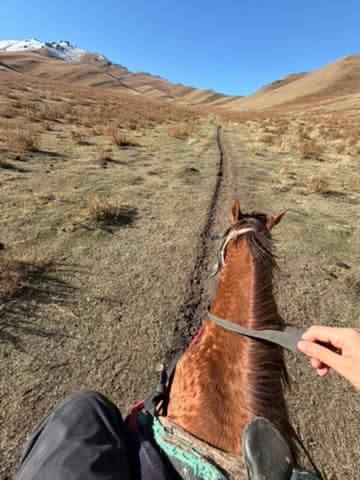 The trail from the saddle
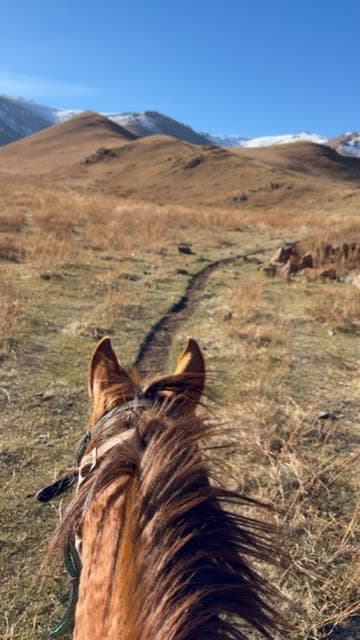 An autumn steppe trail
What to wear
The most important item is your trousers. Jeans rub the inside of your knees on long rides and don't dry when wet. Stretchy hiking trousers or thick leggings are far better, ideally with seamless underwear to reduce chafing.
For footwear, ankle boots without very deep lugs are ideal, since chunky soles can catch in the stirrup. Trainers work too, but your feet will get wet in rain.
Layering is essential: a thermal base, a fleece and a down jacket. The weather changes fast and getting caught in rain in the saddle is miserable, so a long rain jacket or poncho that covers your hips makes a big difference. Thin gloves protect your hands on the reins. Don't forget sunglasses and a hat; at 3,000 m the sun is much stronger than you expect.
See our full Kyrgyzstan packing list.
Safety
The vast majority of treks go off without a hitch, but a few simple rules help. Never walk behind a horse, always approach from the left, don't yank the reins, because the horse usually knows what it's doing better than you, and when your guide says "dismount", don't argue.
Talk to us about helmets in advance. We strongly recommend them for children, and bringing your own as an adult is a good idea. Also check that your travel insurance covers horse riding; some policies exclude it as a hazardous activity.
Weight and age limits
Kyrgyz horses are strong but small, so for riders over roughly 100–110 kg we need to arrange a suitable horse. Just tell us when you book. There's no fixed minimum age for children; it depends on the route and the child's experience. For families we usually suggest shorter, easier routes.
Which horse trek is right for you?
If it's your first trek, start with the 3-day Son-Kul route. If you're experienced and want several full days on the pastures, the 6-day circuit will satisfy you more. If you want to combine riding with other highlights, the 7-day Son-Kul & Ala-Kul tour adds Issyk-Kul and Ala-Kul.
Every tour can run on private dates and be tailored to your group. Contact us for availability and a quote.
Frequently asked questions
Do I need experience to go horse trekking in Kyrgyzstan?
No. Kyrgyz horses are calm and sure-footed, local horsemen give a briefing on the first day and the pace follows the least experienced rider.
When is the horse trekking season in Kyrgyzstan?
On the high pastures the season runs from early June to late September. Shorter rides in lower valleys are possible in spring and autumn.
What happens to my luggage on a horse trek?
Main luggage is carried by pack horses or a vehicle to the next camp, or stored safely at the start. You only ride with a small daypack.